

Sustainability · 2025
In this section52 topics
- Sustainability Policy & Goals — Overview1 item
- Sustainability Policy2 items
- Sustainability Goals & UN SDGs4 items
- Policy Review2 items
- Business Value Chain1 item
- Stakeholder Analysis2 items
- Environmental Policy & Guidelines4 items
- Environmental Policy Review1 item
- Energy — Plan & Guidelines2 items
- Energy — Electricity Consumption1 item
- Energy — Fuel Consumption1 item
- Energy — Targets3 items
- Energy — Performance & Outcomes2 items
- Water — Plan & Guidelines2 items
- Water — Withdrawal, Discharge & Consumption1 item
- Water — Targets2 items
- Water — Performance & Outcomes2 items
- Waste — Plan & Guidelines2 items
- Waste — Generation, Disposal & Recycling1 item
- Waste — Targets2 items
- Waste — Performance & Outcomes2 items
- GHG — Plan & Guidelines2 items
- GHG — Emissions2 items
- GHG — Emissions Verification3 items
- GHG — Principles & Standards1 item
- GHG — Targets1 item
- GHG Targets — Carbon Neutrality2 items
- GHG — Performance & Outcomes2 items
- Environmental Legal Incidents1 item
- Social Sustainability — Overview1 item
- Social Policy & Guidelines3 items
- Social Policy Review3 items
- Social — Principles & Standards Practised1 item
- Human Rights Due Diligence2 items
- Employees — Plan & Guidelines3 items
- Employees — Workforce3 items
- Employees — Remuneration & Provident Fund1 item
- Employees — Training & Development1 item
- Employees — Occupational Health & Safety1 item
- Employees — Labour Relations1 item
- Employees — Employee Representation1 item
- Employees — Targets2 items
- Employees — Performance & Outcomes2 items
- Customers — Plan & Guidelines3 items
- Customers — Satisfaction Results2 items
- Customers — Targets2 items
- Customers — Performance & Outcomes2 items
- Community & Social — Plan & Guidelines3 items
- Community & Social — Targets2 items
- Community & Social — Performance & Outcomes2 items
- Other Social Management1 item
- Law Violation Incidents1 item
Sustainability Policy & Goals — Overview
Introduction
Nirvana Development Public Company Limited adheres to the principles of good corporate governance under the Code of Conduct with transparency, fairness, accountability; respect the rules, laws and related regulations. In addition, the Company also attaches importance to the sustainable development quality of life of employees, communities, and society, including saving energy and environmental conservation. The Company strives to produce quality products that are safe for consumers, respect the impact of the community and the environment by complying with relevant laws and regulations, as well as continually developing a foundation of sustainable social responsibility. The Company defines social responsibility covering economic, social and environmental dimensions by giving importance and being part of the organization's targets, which must be emphasized by all executives and employees.
Sustainability Policy
Has a Sustainability Policy
Yes
Policy Description
In order for operations are in the same direction towards sustainable development, the Company therefore defines the vision and mission as a guideline for the operation to achieve the development and driving of the organization, as well as defines short / long term business plans in accordance with the missions to all groups of stakeholders in order to balance rewards and responsibility for social and environmental impacts. To achieve sustainable development, the Company aligns the strategy with the Sustainable Development Goals to create a more tangible positive economic, social and environmental impact on issues of poverty, education, gender equality, sanitation employment and networking between departments.
Sustainability Goals & UN SDGs
Introduction
Business Strategies and Operational Management Approaches for Sustainability
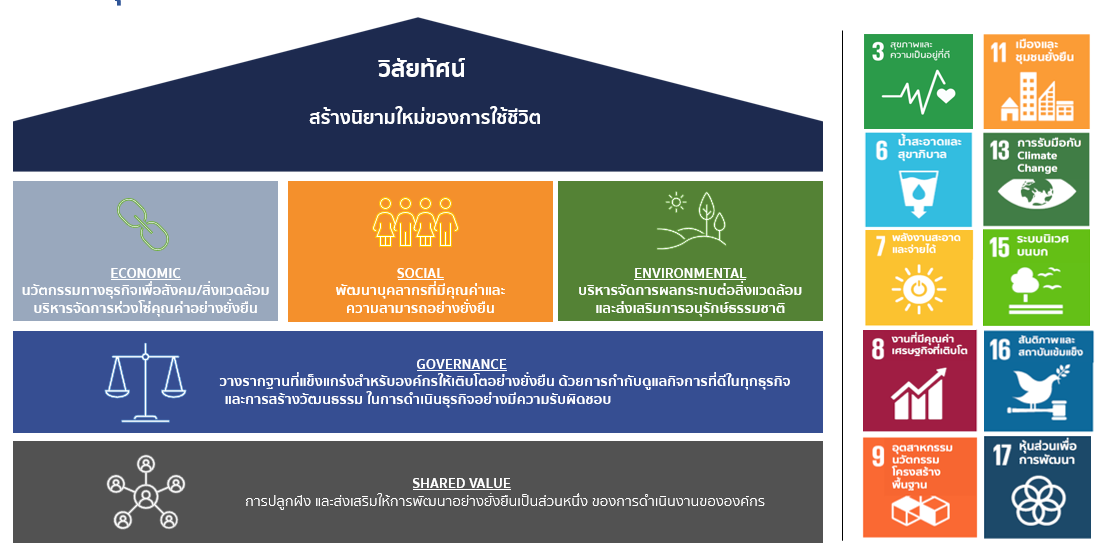
The company has established clear sustainability-driven business strategies and has implemented them earnestly within the organization. These strategies are structured into strategic initiatives across multiple key areas, encompassing the business value chain, human resources, environmental stewardship, corporate governance, and shared value creation to foster sustainable and balanced growth in all dimensions.
Has Sustainability Goals
Yes
Goals Description
The company has established a Corporate Governance and Sustainability Development Committee as the highest authority to support and drive sustainability management. The committee has delegated responsibility to senior executives from various departments to serve as members of the Sustainability Development Task Force, accountable for executing the strategies. The performance is assessed based on both positive and negative impacts from all stakeholders. In 2024, the company has set both short-term and long-term goals, as follows:
Strategic Direction | Target | Performance 2024 | |
Long term | Target 2025 | ||
Good Corporate Governance | Excellence CG Scoring from IOD | Excellence CG Scoring from IOD | “Excellent” CGR Rating (5 Stars) for 8 Consecutive Years |
AGM Checklist | Perfect score of 100 | Perfect score of 100 | Perfect score of 100 |
Climate Change | Carbon neutrality in 2050 | Decreased Greenhouse Gas Volume at a minimum of 3% (compared to 2024) | The total Green house Gas emissions amount to 66.40 tonCo2e |
Safety Health and Environmental | Zero fatality form our employees or contractors | Zero fatality form our employees or contractors | Zero fatality from our employees or contractors |
Excellence Service | Customer satisfaction increase annually | More than 80% | Customer satisfaction is 81.3% |
Employee Satisfaction | More than 70% | More than 70% | Employee satisfaction is 71.23% |
Partnership for Growth | Number of Partnership who participate for sustainability growth | At lease 3 | 3 |
UN Sustainable Development Goals
| SDG Goal |
|---|
| Goal 3 Good Health and Well-being |
| Goal 6 Clean Water and Sanitation |
| Goal 7 Affordable and Clean Energy |
| Goal 8 Decent Work and Economic Growth |
| Goal 9 Industry, Innovation and Infrastructure |
| Goal 11 Sustainable Cities and Communities |
| Goal 13 Climate Action |
| Goal 15 Life on Land |
| Goal 16 Peace, Justice and Strong Institutions |
| Goal 17 Partnerships for the Goals |
Policy Review
Policy Reviewed This Year
Yes
Policy Changed This Year
No
Business Value Chain
Value Chain Description
The Company is committed to becoming a leader in creating meaningful living experiences through a design process that thoroughly understands customer needs in all dimensions. Emphasis is placed on product innovation and comprehensive residential development to support the sustainable growth of the organization and all stakeholders.
Accordingly, the Company focuses on an end-to-end operational process covering the entire business value chain, from design and project development to construction, sales, and after-sales services. This approach ensures the delivery of high-quality products and services that effectively meet the highest levels of customer satisfaction. The Company’s core operational processes consist of the following key stages:
Land Acquisition
The Company places strong emphasis on the selection of high-potential land for project development. Key considerations include location, accessibility, availability of government-supported public utilities, urban planning regulations, legal constraints, growth trends of residential areas, and proximity to community centers.
The Business Development Department serves as the primary unit responsible for land acquisition, working collaboratively with the Legal, Product Development, Finance, Sales, and Marketing Departments to jointly analyze and determine the most suitable type of residential development and brand for each location. This evaluation covers legal feasibility, urban planning compliance, construction feasibility, cost estimation, project development timeline, financial feasibility, expected returns, and market viability. These factors are used to define appropriate product positioning and pricing aligned with target customer segments in the area.
Land sourcing is supported by information from long-standing partner brokerage networks as well as on-site surveys conducted by the Business Development Department. In addition, the Company accepts land proposals through its website and call center system to enhance convenience, speed, and transparency.
To minimize potential impacts on surrounding communities, the Business Development Department, in collaboration with the Construction Department, conducts on-site inspections prior to acquisition to ensure that nearby residents and future customers are not adversely affected. During construction, if any damage to public roads occurs, the Company will promptly carry out necessary repairs.
Project Feasibility
The Business Development Department submits land details and preliminary financial estimates to the Finance Department for initial project feasibility analysis. Joint meetings are held with the Legal, Design, Marketing, and Construction Departments to assess project feasibility, development concepts, and other relevant aspects. The results are then presented to the Company’s Executive Committee for approval of land acquisition and project development.
Concept Design
Upon approval by the Executive Committee to acquire the land and proceed with preliminary development plans, the Design Department undertakes the concept design of the project. This includes preparation of the master plan, infrastructure systems, residential layouts, and optimal land utilization. House designs are developed with consideration of sunlight orientation and natural ventilation, while strictly complying with land allocation laws and landscape architecture principles.
The Design Department works closely with the Sales and Marketing Departments to ensure the project delivers high-quality living environments that promote residents’ well-being and happiness, while also contributing to reduced energy consumption through thoughtful design.
Estimated Cost & Budgeting
The Cost Estimation and Construction Departments prepare detailed cost estimates and construction plans based on the approved design. This includes costs for project infrastructure and residential construction, using the Company’s standard reference pricing. The estimated budget is then submitted to the Procurement Department for contractor selection in the subsequent phase.
Sourcing & Procurement
The Company maintains transparent and fair procurement processes to ensure high-quality construction materials that meet Company standards at appropriate prices. Risk management is implemented by assigning contractors responsibility for procuring materials with high price volatility and uncertain losses under turnkey construction contracts, allowing better control over quality, design, and timelines.
The Company directly procures selected critical, high-value, and specialized materials—such as sanitary ware, finishing materials, and doors and windows—to reduce contractor burden. Competitive bidding processes are conducted to promote price and quality competition. Direct procurement from manufacturers enables cost savings due to bulk purchasing and allows efficient separation from contractor work schedules, ensuring construction progresses according to plan.
To mitigate material price volatility, the Company employs advance pricing agreements, long-term procurement plans, and payment terms of 30–60 days. The Company does not rely on a single supplier and applies strict criteria in selecting major manufacturers and distributors to ensure quality, quantity, and timely delivery.
Government Permits
Recognizing the importance of regulatory compliance, the Company has established a dedicated Government Liaison Unit to manage permit applications directly with relevant authorities. This includes land subdivision permits, construction permits, utility connections, environmental impact assessments (EIA), and installation of water and electricity systems. All processes are conducted in strict accordance with applicable laws and regulations.
Sales Office & Show House
Upon receiving approval to commence construction, the Company initiates project development by establishing a sales office at the front of the project site. Selected project infrastructure is also developed, including access roads, project entrance features, security guardhouses, and show houses, which serve as key tools to support and facilitate project sales.
Sales & Marketing
The Sales and Marketing function is responsible for planning communication strategies to promote project information and details to customers, including the development of promotional campaigns to increase project sales in line with approved sales forecasts. All advertising and promotional materials must comply with applicable consumer protection laws. The Corporate Marketing team is responsible for reviewing and screening all information to ensure accuracy and transparency for customers and stakeholders. In addition, all signage and promotional displays must be installed in a manner that does not cause environmental disturbance or pose safety risks to the public.
The Sales team is required to provide accurate, complete, and truthful information to customers in all aspects to support informed decision-making. This includes offering mortgage and financing services through partnerships with financial institutions to ensure customers receive the most suitable and beneficial financial options.
Furthermore, the Company conducts customer surveys through an online system (visual questionnaires) to analyze customer data and insights, which are subsequently utilized to enhance marketing strategies and improve overall sales performance.
Construction & Quality Control (QC)
The Construction Department commences project construction activities starting from land preparation and earth filling for site leveling, and proceeds in accordance with construction schedules that are aligned with sales plans. Construction activities may have impacts on surrounding communities and the environment. Therefore, strict measures are enforced, including covering soil with tarpaulins to prevent dust dispersion and washing vehicle wheels before exiting the construction site to prevent dirt from being carried onto public roads.
Construction operations may also affect surrounding communities in terms of noise, water, and air pollution. To address these impacts, the Company has established a Corporate Social Responsibility (CSR) unit to closely monitor and manage construction-related issues affecting nearby communities. Designated project representatives are responsible for receiving and addressing complaints (if any) and ensuring that corrective actions are implemented promptly.
The Company utilizes a precast construction system, a modern housing construction method in which components are manufactured in factories and thoroughly inspected prior to delivery to the site. This approach significantly reduces dust generation, air pollution, and transportation-related greenhouse gas emissions, both directly and indirectly.
In addition, the Company has an independent Quality Control Department reporting under the Special Project Development function, which operates separately from the Construction Department. This organizational structure enables effective quality oversight and ensures that housing quality meets Company standards, thereby enhancing customer confidence.
Delivery & Transfer
Upon completion of house construction, the Company proceeds with the delivery of houses to customers. Prior to ownership transfer, each house must receive delivery approval from the Quality Control Department. This process helps reduce the number of post-delivery rectification requests, as a result of continuous improvements in product development, design, and construction processes implemented by the Company.
After-Sales Service & Customer Relationship Management (CRM)
The Company places strong emphasis on customer care, particularly for customers who have completed ownership transfer. A dedicated after-sales service team is responsible for handling warranty-related matters and providing ongoing support to facilitate comfortable living.
In emergency cases, the Company conducts on-site inspections within four hours and contacts customers within 24 hours to arrange further inspections and repair services. The after-sales service team maintains regular communication with customers and provides progress updates until all issues are fully resolved.
In addition, service performance and case progress are continuously reported to management, with insights used to support ongoing improvements in construction quality and operational processes.
Juristic Person
Once the houses in the project have been delivered to customers in accordance with the agreed schedule, the Company proceeds with the establishment of the housing estate juristic person and transfers ownership of the project’s infrastructure and common facilities to the community.
The Company has a dedicated Community Management Unit responsible for overseeing public utilities and communal services, including security services, project electrical systems, drainage systems, internal roads, and public parks.
Security is a top priority for the Company. Professional security service providers with proven experience and strong performance records are carefully selected. The Company also conducts strict monitoring and evaluation of security personnel to ensure the highest level of operational efficiency and to provide a safe living environment for residents within the project.
Stakeholder Analysis
Introduction
The Company has a policy to conduct its business with social responsibility by adhering to transparent, accountable, and fair management practices in order to build confidence and trust among all stakeholder groups. In this regard, the Board of Directors places importance on good corporate governance and regularly reviews and improves the corporate governance practices, including the Code of Business Conduct, to ensure that the Company’s operations are carried out in accordance with ethical principles and international standards.
In addition, the Company has identified and prioritized stakeholders based on the level of impact and expectations they have toward the Company, both positive and negative, as well as direct and indirect impacts. The Company has also established guidelines for engaging with each stakeholder group and provides communication and participation channels to promote mutual understanding and to appropriately and continuously respond to the needs of all stakeholders, as follows:
Stakeholder Analysis
| Stakeholder Type | Stakeholders | Stakeholder Expectations | Response to Expectations | Communication Activities |
|---|---|---|---|---|
| Internal stakeholders | 2897 · Description: Board of director · 2921 · Description: Employees | • Health and Life Insurance, such as group health insurance and group accident insurance. Employees holding equivalent positions receive equal benefits without discrimination based on gender, race, or religion.
• Housing Purchase Benefits, including special discounts for employees who purchase houses, townhouses, or condominiums developed by the Company, applicable to employees with more than two years of service.
• Employee Funds, such as the Social Security Fund and the Provident Fund, to promote savings and provide financial security for employees. Participation is voluntary and depends on the employee’s length of service. The Company’s contribution rate is 3% of the employee’s salary.
• Other Benefits, including employee uniforms, long-service awards for employees with 10 and 20 years of service, annual leave, annual seminars, special leave on employees’ birthdays, military service leave, maternity leave, and other statutory leave entitlements.
• Support for Skills Development, Knowledge Enhancement, and Career Advancement. | Stakeholder Feedback Guidelines
•The Company will select people for employment in any position fairly, consider their qualifications, educational background and work experience in that position without gender, age, race and religion restrictions.
•The Company has a policy to supervise compensation which is consistent with the performance both in short / long term by considering the profitability of the Company each year.
•Employee welfare arrangements such as social security funds and provident fund housing welfare, and funeral wreath allowance.
•The Company is responsible for maintaining a hygienic working environment, safe for employees' lives and properties, and strictly complying with labor laws.
•The Company has a policy to develop knowledge and competence for employees growth and advancement in their work positions
•The Company has a human rights management and recruitment approach without any discrimination of race, gender or religion, by considering the appropriateness of duties and responsibilities, including the absence of child labor and forced labor. | 2941 · Description: Online Communication · 2942 · Description: Internal Meeting · 2945 · Description: Complaint Reception · 2946 · Description: Employee Engagement Survey |
| External stakeholders | 2915 · Description: Consumers · 2923 · Description: Customers · 2924 · Description: Residents | - Customers contact the Company to report repair requests or lodge complaints regarding products and services that do not meet established standards, enabling the Company to take corrective actions and improve service quality to meet standards and achieve customer satisfaction.
- The provision of high-quality, safe products and services that meet customer needs and expectations. | - The Call Center receives complaints and repair requests, coordinates immediately with relevant departments, records all details in the customer database system, and continuously follows up on progress until completion. Monthly summaries and statistics of complaints and repair requests are prepared and submitted to management of relevant departments for further improvement of products and services.
- The development of high-quality products and projects that create value in residential living.
- The protection of customers’ personal data in accordance with applicable laws and the Company’s privacy policy. | 2941 · Description: Online Communication · 2945 · Description: Complaint Reception · 2947 · Description: Satisfaction Survey · 2949 · Other name: Website: www.nirvanadevelopment.co.th · Description: Others · 2949 · Other name: Facebook: Nirvana Home · Description: Others · 2949 · Other name: Phone: NVD Contact Center 1787 · Description: Others |
| External stakeholders | 2899 · Description: Suppliers · 2900 · Description: Business partners · 2917 · Description: Raw material manufacturers · 2918 · Description: Contractors | • Fair and Transparent Collaboration, fostering mutual trust and opportunities for sustainable growth together with business partners.
• Development of a Procurement Code of Conduct, to ensure ethical, transparent, and accountable purchasing and procurement practices.
• Establishment of Supplier Sustainability Guidelines, providing a framework for suppliers to adopt and implement sustainable practices in their operations. | Stakeholder Feedback Guidelines
• Perform duties with integrity, honesty, and transparency.
• Refrain from seeking, requesting, or accepting any improper assets or benefits, whether directly or indirectly, in business dealings with suppliers and business partners.
• Strictly safeguard the Company’s confidential information during all business engagements and communications with suppliers. | 2941 · Description: Online Communication · 2945 · Description: Complaint Reception · 2949 · Other name: Website: www.nirvanadevelopment.co.th · Description: Others · 2949 · Other name: Facebook: Nirvana Home · Description: Others · 2949 · Other name: Phone: NVD Contact Center 1787 · Description: Others |
| External stakeholders | 2894 · Description: Creditor | •Pay debts and strictly comply with the conditions to avoid default. | Stakeholder Feedback Guidelines
• The Company has established policies and practices governing creditors, including debt-to-equity ratios, collateral and guarantee requirements, and capital management.
• The Company strictly complies with all agreed terms and conditions regarding the repayment of debts, borrowings, interest, and obligations related to collateral or guarantees.
• In the event of any material circumstances that may affect the Company’s financial position, the Company will promptly inform creditors and work collaboratively to identify preventive or remedial measures in order to mitigate potential adverse impacts. | 2941 · Description: Online Communication · 2949 · Other name: Website: www.nirvanadevelopment.co.th · Description: Others · 2949 · Other name: Facebook: Nirvana Home · Description: Others · 2949 · Other name: Phone: NVD Contact Center 1787 · Description: Others |
| External stakeholders | 2913 · Description: Shareholders | • Transparent management, appropriate returns, and sustainable long-term growth.
• Organization of the Annual General Meeting of Shareholders (AGM) in accordance with the AGM Checklist standards.
• Meetings are held in Bangkok and/or via online platforms, to facilitate convenient participation for shareholders.
• Provision of advance meeting registration to ensure efficiency and convenience.
• No restrictions on shareholders’ access to the Company’s information, enabling them to review and study relevant disclosures thoroughly.
• Implementation of a policy that allows shareholders to propose additional agenda items, nominate directors, and submit questions in advance of the AGM, with clearly defined channels and criteria. Such criteria are disclosed to shareholders and published on the Company’s website to demonstrate transparency in the consideration process.
• Provision of stamp duty services for proxy forms at the document verification and registration point, free of charge, to facilitate shareholder participation and reduce the burden of stamp duty arrangements. | Stakeholder Feedback Guidelines
• Perform duties with integrity and honesty, exercising prudent, careful, and fair judgment toward shareholders in order to act in their best interests.
• Regularly and accurately disclose information on the Company’s status, operating results, financial position, accounting information, key financial ratios, and other relevant disclosures in a complete and timely manner.
• Refrain from seeking personal benefits through the use of the Company’s non-public or inside information, or engaging in any actions that may give rise to conflicts of interest with the Company.
• Treat all shareholders equitably, without discrimination.
• Ensure the accurate, complete, and timely disclosure of information. | 2941 · Description: Online Communication · 2944 · Description: Annual General Meeting (AGM) · 2949 · Other name: One Report · Description: Others · 2949 · Other name: website at: www.nirvanadevelopment.co.th, Investor Relations section. · Description: Others · 2949 · Other name: E-mail: ir@nirvanadevelopment.co.th · Description: Others · 2949 · Other name: Letter to: Chairman of the Board or Chief Executive Officer · Description: Others |
| External stakeholders | 2902 · Description: Community | • Implementation of Corporate Social Responsibility integrated into business processes (CSR in Process).
• Implementation of Corporate Social Responsibility outside business processes (CSR after Process) to contribute to social sustainability, such as volunteer reforestation projects, rural development volunteer programs
• Preparation of the Sustainability Report in accordance with international standards, including the Global Reporting Initiative (GRI) and the United Nations Sustainable Development Goals (SDGs).
• Conduct of business operations in a manner that avoids negative impacts on communities and society. | Stakeholder Feedback Guidelines
• The Company continuously carries out community and social development activities, and has established a Corporate Social Responsibility (CSR) policy as a framework to guide the Board of Directors, management, and employees in implementing social responsibility initiatives in a consistent and aligned manner.
• Provision of ongoing channels for community feedback and engagement.
• Promotion of CSR activities aligned with the needs of local communities.
• Support for local employment and the utilization of local resources. | 2941 · Description: Online Communication · 2949 · Other name: Website: www.nirvanadevelopment.co.th · Description: Others · 2949 · Other name: Facebook: Nirvana Home · Description: Others · 2949 · Other name: Phone: NVD Contact Center 1787 · Description: Others · 2949 · Other name: Letter to: Chairman of the Board or Chief Executive Officer · Description: Others |
Environmental Policy & Guidelines
Introduction
Nirvana Development Public Company Limited and its subsidiaries operate in the real estate development business for sale, including townhouses, detached houses, and condominium projects in Bangkok, the metropolitan area, and provincial regions. In addition, the Company operates a precast concrete factory located in Dontoom District, Nakhon Pathom Province, which manufactures precast reinforced concrete components that help reduce environmental impacts arising from residential and infrastructure construction activities.
The Company recognizes its responsibility toward environmental issues and has therefore established business policies that comply with environmental laws and regulations, international standards, as well as voluntary sustainability frameworks. These efforts aim to ensure continuous development in alignment with the United Nations Sustainable Development Goals (UN SDGs).
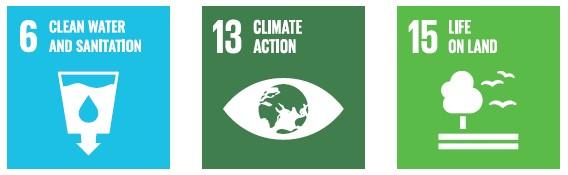
As a participant of the United Nations Global Compact (UNGC), the Company is committed to upholding the environmental principles, particularly Principles 6, 13, and 15, as outlined below:
Principle 6: Ensure availability and sustainable management of water and sanitation for all.
Principle 13: Take urgent action to combat climate change and its impacts.
Principle 15: Protect, restore, and promote the sustainable use of terrestrial ecosystems; sustainably manage forests; combat desertification; halt and reverse land degradation; and halt biodiversity loss.
Has an Environmental Policy
Yes
Policy Description
Environmental Management Policy
The Company is committed to conducting its business sustainably, based on environmental responsibility. The Company recognizes and places importance on minimizing environmental impacts arising from its business operations, products, and services. Accordingly, it promotes the development of production processes and the creation of innovations to reduce potential environmental impacts. Clear targets have been established for the efficient use of natural resources and the reduction of consumption of limited natural energy resources. In addition, the Company has prepared plans and measures to contribute to addressing challenges posed by climate change, to participate in campaigns to reduce deforestation, to promote efficient water management, and to protect ecosystems and biodiversity, with the aim of achieving sustainable business operations.
To this end, the Company has established the following environmental management policies:
Cooperate with and comply with all applicable environmental laws, regulations, and other relevant requirements.
Continuously organize tree-planting activities under the Circular Planting concept for the third consecutive year through the Plant For Life project.
Prepare the organizational carbon footprint report and develop plans to reduce carbon dioxide emissions.
Properly and appropriately control and manage the quality of wastewater generated from production processes.
Efficiently conserve energy used in production processes and office operations to the highest extent possible.
Implement waste segregation prior to disposal to enhance effective waste management.
Emphasize the efficient and effective use of resources through reuse and the procurement of renewable energy as alternatives in order to reduce greenhouse gas emissions.
Promote and fully support environmental activities by cooperating with government agencies, private sector organizations, and nearby communities, while fostering good quality of life and occupational health for employees.
Allocate sufficient resources for environmental management and promote awareness among employees at all levels, as well as stakeholders, to understand and recognize the importance of environmental management, comply with the Company’s policies, objectives, and targets, and disclose environmental policies and performance to the public.
Organize activities and cultivate environmental awareness among employees to reduce electricity and water consumption, reduce paper usage, promote waste segregation, and manage waste effectively, both at home and in the workplace.
Environmental Guidelines
| Guideline |
|---|
| Electricity Management |
| Fuel Management |
| Renewable/Clean Energy Management |
| Water Management |
| Waste Management |
| Biodiversity Management |
| Greenhouse Gas and Climate Change Management |
| Air Quality Management |
| Noise Pollution Management |
Environmental Policy Review
Policy Reviewed This Year
Yes
Energy — Plan & Guidelines
Has an Energy Management Plan
Yes
Plan Description
Efficient Energy Management
The Company is committed to driving its operations toward a Low Carbon Society, while mitigating risks and adapting to climate change. The Company places importance on the efficient use of energy across all operational areas, covering the precast factory in Nakhon Pathom Province, the head office, sales projects and Community mall Nirvana PORCH
The Company has continuously improved and developed its production processes, tools, machinery, and facilities in order to enhance energy efficiency, together with promoting and encouraging employee participation in reducing energy consumption. Such initiatives include the appropriate use of electrical equipment, switching off electrical appliances when not in use, and adjusting daily working behaviors to help reduce energy consumption. These efforts contribute to the reduction of greenhouse gas emissions and support the Company’s sustainable business operations in the long term.
Operational Approaches
Improving building layouts and the positioning of lighting on/off control points within the factory to enhance energy efficiency, together with replacing equipment with high-efficiency devices.
Improving buildings to allow greater use of natural daylight in order to reduce electricity consumption from lighting systems.
Designing and installing automatic on–off switching systems for electrical equipment, as well as appropriately positioning switches for convenient use, in order to reduce unnecessary energy consumption.
Conducting research and development on various renewable energy technologies to replace electricity currently used from conventional energy sources.
Installing solar panels as an energy source for nighttime lighting systems, which can provide illumination for an average of approximately six hours per day.
Energy — Electricity Consumption
Electricity Consumption
| Metric | Current Year | Previous Year | Two Years Ago | Remark |
|---|---|---|---|---|
| Total electricity consumption within the organization (Kilowatt-Hours) | 123,731 | 212,449 | 235,841 | Electricity Consumption Data – Head Office |
| Electricity purchased for consumption from non-renewable energy sources (Kilowatt-Hours) | 123,731 | 212,449 | 235,841 | |
| Electricity purchased or generated for consumption from renewable energy sources (Kilowatt-Hours) |
Energy — Fuel Consumption
Fuel Consumption
| Metric |
|---|
| Crude oil (Barrels) |
| Coal (Metric tonnes) |
| Jet fuel (Litres) |
| Diesel (Litres) |
| Gasoline (Litres) |
| Fuel oil (Litres) |
| Natural gas (Standard cubic feet) |
| LPG (Kilograms) |
| Steam (Metric tonnes) |
Energy — Targets
Introduction
Environmental Management Targets for 2026
Reduce electricity consumption per unit of production by 37% compared to the base year 2017.
Reduce water consumption per unit of production by 37% compared to the base year 2017.
Reduce fuel energy consumption from transportation by increasing the average load weight per vehicle by 17% compared to the base year 2017.
Reduce the volume of hazardous and contaminated waste by 27% compared to the base year 2020.
Reduce greenhouse gas emissions by no less than 3% compared to the base year 2022. (Head Office)
Environmental Management Targets by 2030
Reduce electricity consumption per unit of production by 40% compared to the base year 2017.
Reduce water consumption per unit of production by 40% compared to the base year 2017.
Reduce fuel energy consumption from transportation by increasing the average load weight per vehicle by 20% compared to the base year 2017.
Reduce the volume of hazardous and contaminated waste by 30% compared to the base year 2020.
Reduce greenhouse gas emissions by 5% compared to the base year 2022. (Head Office)
In this regard, supervisors at all levels are required to play a key role in communicating, overseeing, monitoring, and promoting employee engagement by encouraging all employees to actively participate in providing opinions and suggestions, as well as complying with the Company’s environmental policies, objectives, and targets, in order to foster an organizational culture that supports sustainable environmental development.
Has Set Targets
Yes
Targets
| Target | Base Year | Base Year Value | Target Year | Target Year Value | Target Change (%) | Unit | Unit — Please Specify | Per Unit (Intensity) | Per Unit — Please Specify |
|---|---|---|---|---|---|---|---|---|---|
| Reduction of electricity purchased for consumption | 2,017 | 279,334 | 2,027 | 40 | Kilowatt-hour | Project | Project | ||
| Reduction of fuel consumption | 2,021 | 335,622 | 2,027 | 40 | Kilowatt-hour | ||||
| Reduction of electricity purchased and fuel consumption | 2,017 | 10.47 | 2,027 | 12.56 | 20 | Others | Ton | Other | vehicle |
Energy — Performance & Outcomes
Has Performance Results
Yes
Performance Description
Electricity Management Performance in 2025
Following the renovation of the precast concrete factory in Nakhon Pathom Province, the Company replaced the lighting fixtures along the main access routes from conventional spotlights with energy-efficient LED lighting and installed solar panels to supply electricity for the lighting system. As a result, energy consumption was reduced by 12,702 kilowatt-hours per year (based on an average usage of 6 hours per day), which is equivalent to a reduction of 7,125.82 kgCO2e per year. In 2025, the Company’s total electricity consumption at the precast factory in Nakhon Pathom Province amounted to 73,584 kilowatt-hours, representing an electricity consumption reduction of 73.66% compared to the base year 2017.
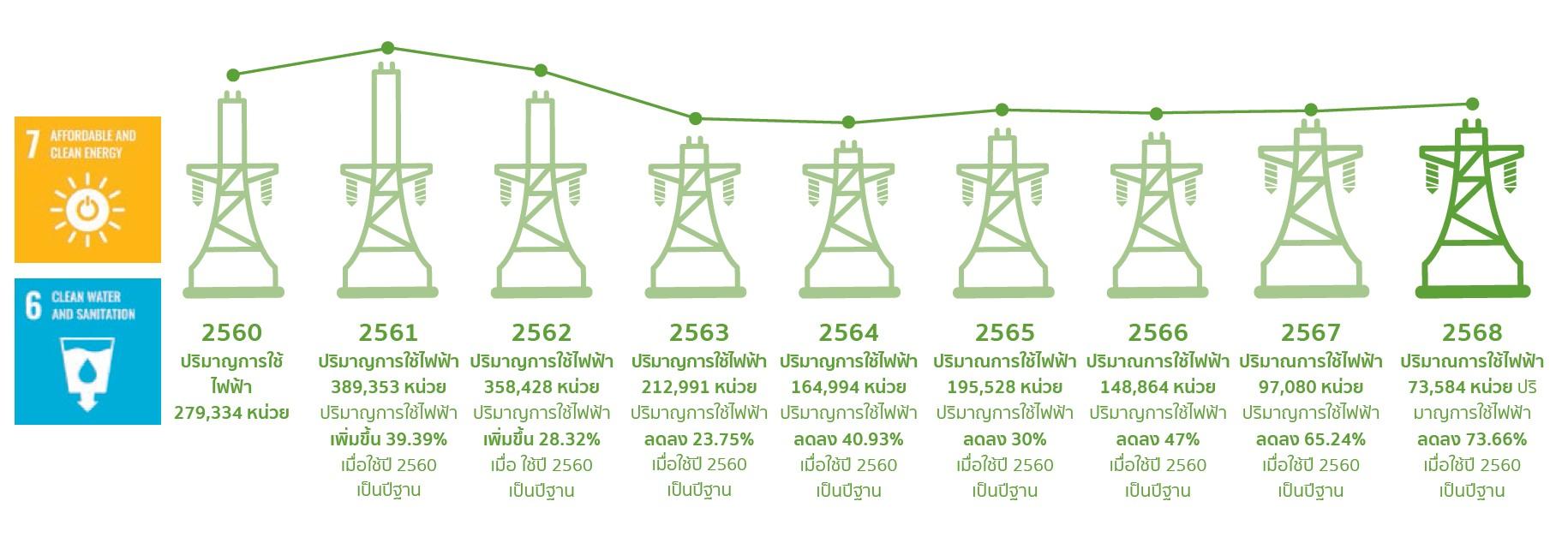
In addition to enhancing energy efficiency at the precast factory in Nakhon Pathom Province, the Company has also improved its headquarters building to better align with environmental considerations. These improvements include promoting the use of natural lighting and natural ventilation, as well as selecting materials and equipment that help reduce energy consumption, such as solar panels (solar cells) and inverter-type air conditioning systems. The air conditioning systems utilize high-efficiency refrigerants that do not deplete the ozone layer and contribute to the reduction of greenhouse gas emissions. Concurrently, the Company has continuously conducted energy conservation campaigns in various forms to promote responsible and efficient energy use. The Company has set a target to reduce energy consumption by 40% by 2030, covering operations at both the headquarters and the precast factory. For performance comparison, the precast factory uses 2017 as the base year, while the headquarters uses 2021 as the base year.
In 2025, the Company further improved its operational practices by reorganizing seating arrangements to group employees performing similar functions within the same area, while closing unused zones in order to reduce unnecessary electricity consumption. In addition, employees whose work involves alternating between sales projects and the headquarters have adopted a hot desk working arrangement to enhance space utilization efficiency and reduce overall organizational energy consumption.
As a result of these initiatives, the headquarters recorded total electricity consumption of 123,731 kilowatt-hours, representing a reduction of 41.76% compared to 2024 and a reduction of 63.13% compared to the base year 2021.
2021 | 2022 | 2023 | 2024 | 2025 | ||||||
Electricity Consumption (kWh) | % | Electricity Consumption (kWh) | % | Electricit Consumption (kWh) | % | Electricity Consumption (kWh) | % | Electricity Consumption (kWh) | % | |
Head Office | 335,622 | 67 | 201,498 | 51 | 235,841 | 61.3 | 212,449 | 68.64 | 123,731 | 62.71 |
Factory | 164,994 | 33 | 195,528 | 49 | 148,864 | 38.7 | 97,080 | 31.36 | 73,584 | 37.29 |
Total | 500,616 | 100 | 397,026 | 100 | 384,705 | 100 | 309,529 | 100 | 197,315 | 100 |
Note: The Company reduced the head office operating space from 1,610 square meters to 1,127 square meters.
Efficient Fuel Energy Management
The Company is committed to maximizing energy efficiency to ensure optimal utilization of resources. Efforts are made to improve energy efficiency and reduce energy losses throughout all operational processes. In addition, the Company regularly inspects and maintains equipment used in the production process and in the transportation of precast concrete panels from the factory to project sites. These measures aim to reduce air pollution caused by the combustion of fuel, which may affect the environment and the quality of life of people in society. The Company also promotes employee awareness and participation in energy conservation in alignment with the goals of sustainable development.
Operational Approaches
Improve the loading system to increase cargo capacity without exceeding the limits prescribed by law.
Develop additional equipment that allows more products to be loaded for transportation, ensuring cost-effective logistics despite the variety of product designs. The use of A-Frame and Rack systems for product delivery enables increased loading capacity while also reducing the use of wooden sleepers, thereby contributing to the conservation of forest resources.
Plan product deliveries by considering shipment volume and transportation distance to ensure maximum efficiency, while not affecting the established operational schedule.
Performance in 2025
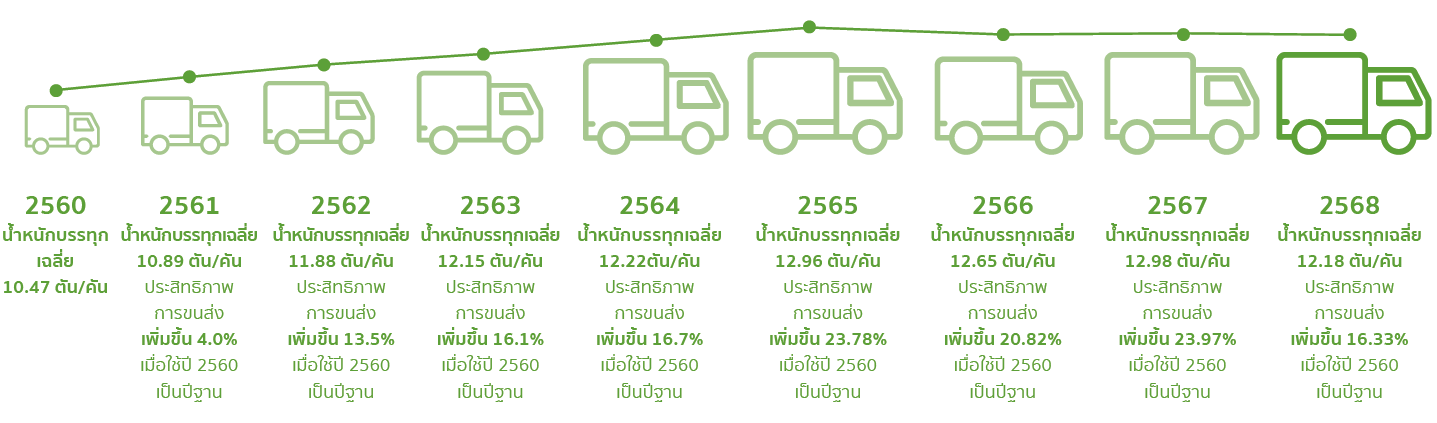
In 2025, the Company developed lighter precast concrete panels and additional equipment that enables more products to be loaded for transportation, thereby enhancing transportation efficiency. As a result, the average cargo load increased to 12.18 tons per vehicle, and transportation efficiency improved by 16.33% compared with the baseline year.
Water — Plan & Guidelines
Has a Water Management Plan
Yes
Plan Description
Efficient Water Resource Management
The Company recognizes the importance of water and promotes access to clean and efficient water sources for hygienic consumption and daily use. The Company is committed to demonstrating responsibility and adhering to the principles of sustainable water management throughout the value chain in order to mitigate risks related to water scarcity that may affect the Company’s operations and stakeholders in all dimensions.
Implementation Approach
Promote efficient water use in accordance with the 3Rs principle (Reduce, Reuse, Recycle) to help reduce water consumption and enhance the efficiency of water resource utilization across all operational processes.
Continuously improve operational procedures and workflows to reduce water consumption and promote the most efficient use of water resources.
Select water-efficient sanitary fixtures in projects by installing dual-flush toilets, with water consumption not exceeding 6 liters per flush.
Install water meters to support water management and monitoring of water usage, as well as to detect and prevent water leakage in areas surrounding buildings and common areas. In 2025, inspections found no water leakage in the areas surrounding the common facilities.
The Company promotes the efficient use of water resources by utilizing water pumped from a natural water source within the Nirvana PORCH project area for watering plants and maintaining landscape areas, instead of using tap water. This approach helps reduce the consumption of municipal water and supports the sustainable management of water resources.
Water — Withdrawal, Discharge & Consumption
Water Withdrawal, Discharge & Consumption
| Metric | Current Year | Previous Year | Two Years Ago | Remark |
|---|---|---|---|---|
| Total water withdrawal (Cubic meters) | 6,300 | 7,064 | 10,928 | |
| Total water withdrawal by third-party water (Cubic meters) | 837 | 712 | 922 | |
| Total water withdrawal by surface water (Cubic meters) | ||||
| Total water withdrawal by groundwater (Cubic meters) | 5,463 | 6,352 | 10,006 | Target Figures for Water Consumption Reduction |
| Total water withdrawal by seawater (Cubic meters) | ||||
| Total water withdrawal by produced water (Cubic meters) | ||||
| Percentage of wastewater treated before discharge (%) | ||||
| Total water discharge (Cubic meters) | ||||
| Total water discharge to third-party water (Cubic meters) | ||||
| Total water discharge to surface water (Cubic meters) | ||||
| Total water discharge to groundwater (Cubic meters) | ||||
| Total water discharge to seawater (Cubic meters) | ||||
| Total water consumption (Cubic meters) | 6,300 | 7,064 | 10,928 | |
| Recycled water (Cubic meters) |
Water — Targets
Has Set Targets
Yes
Targets
| Target | Base Year | Base Year Value | Target Year | Target Change (%) | Unit |
|---|---|---|---|---|---|
| Reduction of water withdrawal | 2,017 | 23,920 | 2,027 | 40 | Cubic meters |
Water — Performance & Outcomes
Has Performance Results
Yes
Performance Description
Water Management Performance in 2025
In 2025, total groundwater consumption at the factory amounted to 5,463 cubic meters, representing a decrease of 14% compared to 2024 and a reduction of 77% compared to the base year 2017. The primary reason for this reduction was the Company’s implementation of energy reduction policies across various areas of operation. In addition, due to the sufficient availability of water from nearby canals during the year, factory management decided to utilize canal water as a substitute for groundwater for equipment cleaning activities, such as cleaning cement grinding equipment.
In 2025, total water consumption at the headquarters and the factory decreased by 10.81% compared to 2024. The key contributing factors included more efficient production planning, such as reducing unnecessary inventory stockpiling, as well as the use of water from nearby canals for cleaning and washing machinery in order to reduce the consumption of tap water in the production process.
In addition, the Company has continuously implemented water conservation policies, alongside internal communication and training programs to provide knowledge on water use and responsible resource consumption. These initiatives aim to raise awareness among management and employees and to promote the most efficient use of water resources across the organization.
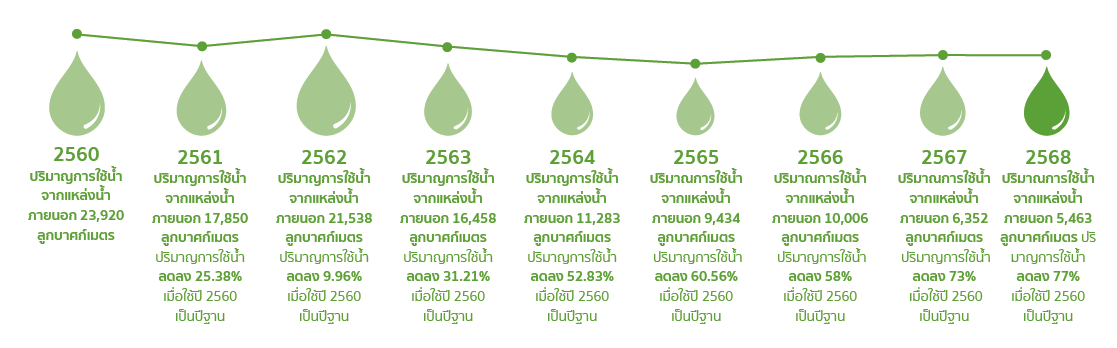
In addition, the Company’s head office recorded a total tap water consumption of 837 cubic meters.
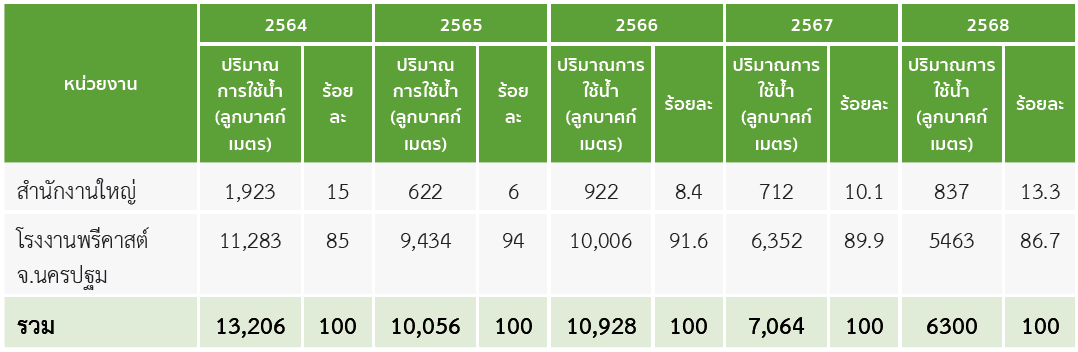
In 2025, water consumption at the Company’s head office and factory decreased by 10.81% compared with 2024. The primary contributing factor was more efficient production planning, such as reducing unnecessary inventory storage. In addition, the Company utilized water from nearby canal sources for washing and cleaning machinery, thereby reducing the use of tap water in the production process.
Furthermore, the Company has continuously implemented water conservation campaigns, alongside internal communications and training programs on responsible water and resource utilization. These initiatives aim to raise awareness among executives and employees and encourage the efficient use of water resources.
Waste — Plan & Guidelines
Has a Waste Management Plan
Yes
Plan Description
Waste Management
The Company has established policies and practices for the efficient and effective use of resources by applying the 3Rs principle (Reduce, Reuse, Recycle) and encouraging stakeholders to promote the circulation and reuse of waste, reduce the volume of waste requiring disposal, and use resources efficiently. These practices have been implemented starting at the Dontum Precast Concrete Factory, Nakhon Pathom Province, which operates as a Green Factory (Precast Concrete Factory) with a policy to adopt environmentally friendly production systems. Key initiatives include the following:
Wastewater Management
Wastewater from the batching plant and water used for washing in the reinforced concrete production process, as well as fresh concrete residues, contain high alkalinity levels and may pose environmental risks. The Company has constructed sedimentation ponds and installed concrete recycling machines to treat wastewater through sedimentation processes and reuse it within the concrete production process. Separated aggregates, such as stone and sand, are also reused as raw materials in concrete production. As a result, no waste materials are generated from the production process.
Dust Control Management
The Company has installed dust collectors, side-mounted cleaning machines with dust suction systems, pallet cleaning machines with dust suction systems, and selected a closed-system batching plant (Tower Plant). Conveyors are used to transport aggregates and cement within enclosed systems to prevent the dispersion of dust from stone, sand, and concrete powder generated during the production process.
Noise Pollution Reduction
A shaking system has been adopted in place of a conventional compacting system (concrete compaction machinery) to prevent noise pollution within the factory and mitigate potential impacts on surrounding communities.
Responsible Paper Use
The Company promotes the reuse of paper for printing and photocopying, as well as reviewing documents on-screen prior to printing instead of printing documents for revision. These practices help reduce paper waste and contribute to lower operational costs for the organization.
Waste Management Approach for Production Processes
Appoint designated personnel responsible for the management of general waste.
Establish operational manuals outlining procedures for factory waste management.
Classify waste generated from production processes into two main categories:
General waste, which is sorted and collected by the local municipality;
Recyclable waste, which is returned to the production process, such as formwork oil; and
Hazardous waste, which is managed through certified industrial waste management systems.
Designate specific areas for waste disposal and provide waste bins for waste segregation prior to disposal.
Waste — Generation, Disposal & Recycling
Waste Generation, Disposal & Recycling
| Metric | Current Year | Previous Year | Two Years Ago |
|---|---|---|---|
| Total waste generated (Kilograms) | 50,000 | 56,130 | 324,080 |
| Non-hazardous waste (Kilograms) | 50,000 | 56,130 | 324,080 |
| Non-hazardous waste - Landfilling (Kilograms) | |||
| Non-hazardous waste - Incineration (with energy recovery) (Kilograms) | |||
| Non-hazardous waste - Incineration (without energy recovery) (Kilograms) | |||
| Non-hazardous waste - Other disposal operations (Kilograms) | |||
| Hazardous waste (Kilograms) | |||
| Hazardous waste - Landfilling (Kilograms) | |||
| Hazardous waste - Incineration (with energy recovery) (Kilograms) | |||
| Hazardous waste - Incineration (without energy recovery) (Kilograms) | |||
| Hazardous waste - Other disposal operations (Kilograms) | |||
| Total reused/recycled waste (Kilograms) | |||
| Reused/Recycled non-hazardous waste (Kilograms) | |||
| Reused non-hazardous waste (Kilograms) | |||
| Recycled non-hazardous waste (Kilograms) | |||
| Reused/Recycled hazardous waste (Kilograms) | |||
| Reused hazardous waste (Kilograms) | |||
| Recycled hazardous waste (Kilograms) |
Waste — Targets
Has Set Targets
Yes
Targets
| Waste Type | Disposal Approach | Target | Base Year | Base Year Value | Target Year | Target Change (%) | Unit |
|---|---|---|---|---|---|---|---|
| Non-hazardous waste | 2759 · Description: Recycle · 2763 · Other name: Used for landfilling, collected by authorized agencies for purchase, or donated for further beneficial use. · Description: Other | Reduce waste volume | 2,020 | 411,000 | 2,027 | 30 | Kilograms |
Waste — Performance & Outcomes
Has Performance Results
Yes
Performance Description
Waste Management Performance in 2025
In 2025, the Dontum Precast Concrete Factory, Nakhon Pathom Province, achieved comprehensive waste management for recyclable waste and non-hazardous waste in accordance with applicable industrial waste management systems
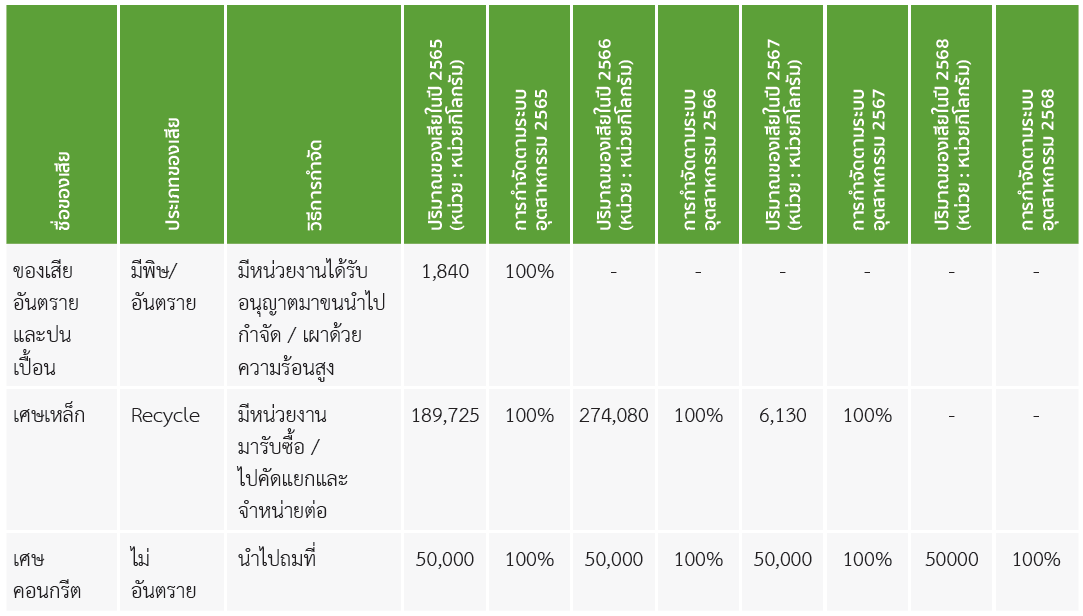
During 2025, the Company recorded a reduction in overall waste generation, primarily due to lower production volumes in line with the Company’s policy to prioritize the sale of existing inventory. In addition, the Company implemented waste segregation measures and initiatives to reduce municipal solid waste within office buildings. These measures included reducing the use of plastic drinking water bottles at the headquarters by encouraging employees to use personal drinking glasses, replacing customer drinking water packaging with aluminum containers for recycling, and promoting waste segregation for glass bottles and plastic bottles.
The Company also implemented paper reduction initiatives by adopting Office 365 across the organization, enabling employees to work anytime and anywhere while storing data on online platforms. This approach facilitates document sharing without the need for printing and allows electronic document storage in place of photocopying. Furthermore, the Company encouraged employees to minimize paper usage by transitioning the submission of letters, reports, meeting documents, and presentation materials from printed formats to electronic channels. Default settings on all photocopying machines were adjusted to double-sided printing, and all departments were encouraged to segregate used paper for reuse.
Paper Reduction Performance in 2025
As a result of transitioning customer home reservation documents to an electronic system, the Company was able to send all reservation documents and related information to customers via email. Together with the implementation of electronic-based working policies and revised operational procedures, these initiatives enabled the Company to significantly reduce paper consumption and unnecessary document storage space. In 2025, the Company successfully reduced paper usage by 45.9% compared to the previous year.
Place | 2564 (sheets) | 2565 (sheets) | 2566 (sheets) | 2567 (sheets) | 2568 (sheets) |
Head Office | 305,000 | 585,815 | 437,797 | 346,884 | 145,688 |
Precast Factory | 175,000 | 163,457 | 130,651 | 111,859 | 64,974 |
Total | 480,000 | 749,272 | 568,448 | 458,743 | 210,662 |
GHG — Plan & Guidelines
Has a GHG Management Plan
Yes
Plan Description
Climate Change Management
Amid the intensifying global climate change crisis, which has caused widespread impacts across the world, the latest report from the Intergovernmental Panel on Climate Change (IPCC) has issued its highest level of warning, referred to as “Code Red for Humanity.” The report clearly indicates that limiting the global temperature increase to no more than 1.5 degrees Celsius, in accordance with the Paris Agreement, requires urgent and significant reductions in greenhouse gas emissions from all sectors.
Nirvana Development Public Company Limited, as a company operating in the real estate development sector, including housing construction and the manufacturing and distribution of construction materials such as precast fences, with a distinctive Natural Modern design concept, is committed to quality development. The Company places strong emphasis on Smart Home technology, well-being living design, energy efficiency, and environmental friendliness.
The Company recognizes that the real estate and construction sector plays a crucial role in reducing global greenhouse gas emissions, as the built environment accounts for nearly 40% of total global greenhouse gas emissions, including emissions from operational carbon and emissions embedded in construction materials throughout their life cycle (embodied carbon).
In 2025, the Company engaged Baker McKenzie Thailand as a consultant to support the preparation of the Carbon Footprint for Organization (CFO), also referred to as the Corporate Carbon Footprint (CCF). This initiative aims to support the Company’s transition toward becoming a Zero Carbon organization, or an organization with net-zero carbon dioxide emissions.
Through the preparation of the corporate carbon footprint assessment, the Company evaluated its greenhouse gas emissions in order to identify significant emission sources within the organization. This information will subsequently be used to support the management and planning of greenhouse gas reduction initiatives for the Company’s significant emission sources.
The Company collected relevant data for the period 1 January 2025 – 31 December 2025, covering the following operational areas:
Head Office
Precast Factory in Nakhon Pathom Province
Projects with ready-to-sell houses
Nirvana PORCH Community Mall
Details of the greenhouse gas emissions are summarized as follows:
Direct Greenhouse Gas Emissions
Scope 1 refers to greenhouse gas emissions from mobile combustion, calculated from the following sources:
Consumption of fossil fuels used in company vehicles, forklifts, machinery, and equipment for operations related to the Company’s activities at the Head Office and the precast manufacturing plant
Refrigerant leakage from air-conditioning systems within the Head Office building
Indirect Greenhouse Gas Emissions
Scope 2 refers to greenhouse gas emissions from purchased electricity consumed by the Company, calculated from:
Total electricity consumption across the Company’s operations, including the Head Office, precast manufacturing plant, construction sites, and the Nirvana PORCH area
Other Indirect Greenhouse Gas Emissions
Scope 3 refers to greenhouse gas emissions arising from organizational resource consumption and upstream activities, calculated from the following sources:
Paper consumption at the Head Office, construction sites, and the precast manufacturing plant
Water consumption at the office, construction sites, precast manufacturing plant, and Nirvana PORCH area
Steel used as raw material in the production of precast panels
Cement used as raw material in the production of precast panels
Transportation of goods using 10-wheel trucks
GHG — Emissions
Introduction
Operational Approaches to Reduce Greenhouse Gas Emissions
The Company has installed solar power systems at the community mall of the Nirvana Porch Project to reduce electricity consumption.
The Company has reviewed its policies and action plans to drive progress toward becoming a net-zero greenhouse gas emissions organization in the future, with a particular focus on developing greenhouse gas reduction policies that comprehensively cover Scopes 1, 2, and 3.
Based on an analysis of the Company’s greenhouse gas emissions profile, the majority of emissions were found to originate from electricity consumption. Accordingly, the Company has implemented greenhouse gas reduction measures with an emphasis on reducing electricity use and is currently in the process of implementing renewable energy projects through the installation of solar photovoltaic panels.
In addition, the Company has adopted high-efficiency technologies to support energy conservation, including:
Installation of high-efficiency lighting fixtures and LED lighting with automated on–off control systems (motion sensors);
Selection of high-efficiency air-conditioning systems;
Selection of electrical appliances, machinery, and equipment certified with Energy Label No. 5 for energy efficiency.
All Company projects continuously select water- and energy-efficient sanitary ware that is environmentally friendly. Sanitary ware and faucets from COTTO have been installed in five projects, namely: Nirvana Absolute Bangna, Nirvana Absolute Ekkamai–Ramintra, Nirvana Absolute Krungthep Kreetha, Nirvana Define Ekkamai–Ramintra, and Nirvana Define Krungthep Kreetha. In addition, environmentally friendly sanitary ware from other suppliers has been selected, such as the use of water-saving toilets and faucets from TOTO Technical in the Nirvana Collection project.
The Company has a policy to support executives and employees in using electric vehicles (EVs), recognizing the greenhouse gas impacts associated with internal combustion engine vehicles and fossil fuels such as LPG and NGV. To promote the adoption of electric vehicles, employees who receive a monthly Fleet Card allowance and currently use plug-in hybrid electric vehicles (PHEVs) or battery electric vehicles (BEVs) may opt to receive a cash allowance in lieu of the Fleet Card at 70% of the currently approved limit.
The Company encourages employees to regularly check electrical equipment usage, particularly during holiday periods, and to unplug and switch off all electrical appliances when not in use in order to conserve energy and reduce the risk of fire hazards caused by electrical short circuits.
The Company has implemented a paper reduction initiative by adopting Office 365 across the organization and promoting double-sided printing. Work processes have also been transitioned to electronic systems and electronic files.
The Company promotes employee participation in greenhouse gas, environmental, and energy management through initiatives such as “Switch Off” (turning off switches when not in use) and “3R+1: Reduce, Reuse, Recycle & Rethink”, which have also contributed to a reduction in operating costs.
The expansion of meeting room facilities at the office has enabled employees to hold meetings and training sessions internally, thereby reducing fuel consumption associated with employee travel to external meeting venues.
To enhance employee awareness of climate change issues and their potential impacts on the Company’s operations, the Company has organized training programs on greenhouse gases and organizational carbon footprint assessment. These programs enable employees to identify significant emission sources and contributing activities, leading to the development of effective greenhouse gas reduction measures and climate impact mitigation approaches.
The Company has undertaken carbon offsetting activities. In 2025, the Company increased green areas by planting approximately 3,605 trees, including eucalyptus, guava, and mahogany trees, during the early part of the year.
GHG Emissions
| Metric | Current Year | Previous Year | Two Years Ago |
|---|---|---|---|
| Total GHG emissions (Metric tonnes of carbon dioxide equivalent) | 66.4 | 112.67 | 127.75 |
| Total greenhouse gas emissions 1 (Metric tonnes of carbon dioxide equivalent) | 4.28 | 1.18 | 2.71 |
| Total greenhouse gas emissions 2 (Metric tonnes of carbon dioxide equivalent) | 58.77 | 106.2 | 117.9 |
| Total greenhouse gas emissions 3 (Metric tonnes of carbon dioxide equivalent) | 3.35 | 5.29 | 7.14 |
GHG — Emissions Verification
Emissions Verified by a Third Party
Yes
Verifying Body
2656
Verifying Body — Please Specify
BAKER & MCKENZIE LIMITED
GHG — Principles & Standards
Principles & Standards Applied
| Standard |
|---|
| 2672 |
GHG — Targets
Has Set GHG Targets
Yes
GHG Targets — Carbon Neutrality
Introduction
Long-term Target (Organization):
By 2050 (B.E. 2593), the Company aims to achieve carbon neutrality.
Short-term Target (Head Office):
By 2027 (B.E. 2570), the Company targets to reduce greenhouse gas emissions by no less than 5% compared with the 2022 baseline year (B.E. 2565).
Carbon Neutrality Targets
| Emission Scope | Carbon Neutrality Certified | Base Year | Base Year Emissions | Target Year | Target Change (%) | Unit |
|---|---|---|---|---|---|---|
| 2716 | N | 2,022 | 111.01 | 2,027 | 5 | Metric tonnes of carbon dioxide equivalent |
GHG — Performance & Outcomes
Has Performance Results
Yes
Performance Description
Summary of Greenhouse Gas Emissions Assessment for 2025
In 2025, the Company reported a total greenhouse gas (GHG) emissions of 3,788.67 tons of carbon dioxide equivalent (tCO2e). This total consists of direct greenhouse gas emissions under Scope 1 (Direct Emissions) amounting to 24.68 tCO2e, representing 0.65% of the total emissions. Indirect greenhouse gas emissions under Scope 2 (Indirect Emissions) amounted to 3,037.57 tCO2e, accounting for 80.18% of the total emissions. In addition, other indirect greenhouse gas emissions under Scope 3 (Other Indirect Emissions) totaled 726.42 tCO2e, representing 19.17% of the total emissions. Detailed data collection covers the Head Office, the precast factory, projects with ready-to-sell houses, and the Nirvana PORCH community mall, as presented in the following table.
Scope | 2022 | % | 2023 | % | 2024 | % | 2025 | % |
(tonCO2e) | (tonCO2e) | (tonCO2e) | (tonCO2e) | |||||
All | ||||||||
Scope 1 (Direct Emissions) | 1.21 | 1.00 | 2.71 | 2.00 | 29.47 | 2.00 | 24.68 | 0.65 |
Scope 2 (Indirect Emissions) | 100.72 | 91.00 | 117.90 | 92.00 | 829.18 | 57.00 | 3,037.57 | 80.18 |
Scope 3 (Other Indirect Emissions) | 9.08 | 8.00 | 7.14 | 6.00 | 587.67 | 41.00 | 726.42 | 19.17 |
Total | 111.01 | 100.00 | 127.75 | 100.00 | 1,446.32 | 100.00 | 3,788.67 | 100.00 |
Note: The data collection boundary has changed over the years. During 2022–2023, the data collection covered only the Head Office. In 2024, the scope was expanded to include the Head Office, the factory, and projects with ready-to-sell houses. In 2025, the scope further expanded to cover the Head Office, the factory, projects with ready-to-sell houses, and the Nirvana PORCH community mall.
Detailed Data Collection Table (Head Office Only)
Scope | 2022 | % | 2023 | % | 2024 | % | 2025 | % |
(tonCO2e) | (tonCO2e) | (tonCO2e) | (tonCO2e) | |||||
Head Office | ||||||||
Scope1 (Direct Emissions) | 1.21 | 1.00 | 2.71 | 2.00 | 1.18 | 1.04 | 4.28 | 6.45 |
Scope2 (Indirect Emissions) | 100.72 | 91.00 | 117.90 | 92.00 | 106.20 | 94.27 | 58.77 | 88.51 |
Scope3 (Other Indirect Emissions) | 9.08 | 8.00 | 7.14 | 6.00 | 5.29 | 4.69 | 3.35 | 5.05 |
Total | 111.01 | 100.00 | 127.75 | 100.00 | 112.67 | 100.00 | 66.40 | 100.00 |
When compared with the base year (2024), it was found that in 2025 the greenhouse gas emissions from the Head Office decreased from 112.67 tons of carbon dioxide equivalent per year (tCO2e/year) to 66.40 tons of carbon dioxide equivalent per year (tCO2e/year).
The primary reason for this reduction was the adjustment of office space utilization and the downsizing of the office area, which decreased from 1,610 square meters to 1,127 square meters.
Furthermore, when considering greenhouse gas emissions per unit of area, the Company was able to reduce emissions by approximately 15.81% compared with the base year.
Environmental Legal Incidents
Legal Violation Incidents
| Metric | Current Year | Previous Year | Two Years Ago |
|---|---|---|---|
| Number of cases or incidents of legal violations or negative environmental impact (cases) | 0 | 0 | 0 |
Employees — Plan & Guidelines
Has an Employee Management Plan
Yes
Plan Description
Employment and Human Resource Management
The Company adheres to ethical principles in recruitment and employment by selecting suitable candidates for each position in a fair and equitable manner. Consideration is given to job qualifications, educational background, work experience, and other relevant employment requirements, while respecting and treating all individuals with equal dignity and fairness. The Company does not discriminate on the basis of gender, age, race, religion, skin color, or physical disability. The employee recruitment and selection process involves at least three interviewers to ensure the selection of the most qualified and appropriate candidate for each position.
Employment of Persons with Disabilities
The Company complies with applicable laws and regulations regarding the employment of persons with disabilities by contributing to the Fund for Empowerment of Persons with Disabilities, as part of its commitment to promoting an inclusive and equitable society.
In 2025, the Company made a contribution of THB 240,900 to the Fund for Empowerment of Persons with Disabilities in full and within the prescribed timeframe.
Termination / Non-Termination of Employment
The Company considers all employees as representatives who contribute to building and maintaining a positive corporate image. Accordingly, no employee shall be terminated unless he or she commits a serious disciplinary violation in accordance with the Company’s rules and regulations.
The Company has established clear procedures for employment termination and ensures that any actions taken are conducted transparently, fairly, and in full compliance with applicable laws.
Compensation and Benefits Management
Since 2017, the Company has implemented a performance appraisal system across the organization, consisting of Key Performance Indicators (KPIs) and competency-based assessments. The evaluation results are used as a basis for managing employee compensation, training and development, and career advancement.
In addition, the Company provides various employee benefits, including reimbursable transportation expenses, telephone allowances, health insurance, accident insurance, dental benefits, uniforms, New Year staff parties, and welfare housing.
Furthermore, the Company has established a provident fund to promote savings and provide financial security for employees. The Company has selected the Krungthai Master Pool Fund, a registered provident fund, and applies contribution criteria as follows: employees contribute at a rate based on their length of service, not less than 3% and not more than 15% of their wages, while the Company contributes 3% of wages.
At present, the Company has a total of 113 employees, of whom 80 employees are members of the provident fund, representing 70.80% of total employees.
In 2025, the Company paid total employee compensation amounting to THB 104.99 million. Female employees received total compensation of THB 43.81 million, representing 41.7% of total compensation, while male employees received total compensation of THB 61.18 million, representing 58.3% of total compensation. The ratio of total compensation paid to female employees compared to male employees was 71.61%.
Human Resource Management
Employees are regarded as valuable resources of the Company, as they play a key role in driving the Company’s operations and achieving its objectives. The Company promotes the development of employees’ knowledge, skills, and capabilities in alignment with its goals and strategies, while fostering positive attributes and attitudes toward the organization. This enables the Company to grow sustainably and continuously, as well as to prepare employees to support future business expansion.
Accordingly, the Company has established employee development guidelines to support and achieve its corporate objectives.
Training and Employee Development
The Company recognizes the importance of developing employees’ knowledge and capabilities at all levels and provides opportunities for all employees, starting from their first day of employment, to enhance their knowledge, skills, and work attitudes in line with their job responsibilities. The Company adopts various development approaches, such as orientation programs and both internal and external training and seminars, in alignment with the Company’s vision, mission, and business direction.
Short-Term Training and Development
Short-term training programs are designed to provide employees with essential and necessary information, as appropriate, including but not limited to the Company’s vision, mission, and strategies; business overview; human resource policies; occupational health and safety standards; ISO 9001 Quality Management System; risk management and safety; on-the-job training (OJT) for job assignment and responsibilities; and information security policies and social media usage guidelines.
Medium-Term Training and Development
Medium-term training focuses on enhancing employees’ competencies (Competency Training). The Company organizes training programs for both operational and management-level employees through in-house training and public training. These programs have received positive participation and feedback from employees at all levels.
Long-Term Training and Development
For long-term development, the Company plans to establish appropriate career paths aligned with employees’ competencies, which serve as one of the criteria for career progression from entry-level positions through management roles and ultimately to retirement.
The Company places strong emphasis on enhancing the operational capabilities of employees at all levels by providing training from the commencement of employment and continuously developing new knowledge aligned with the Company’s competencies. Training programs are also organized based on functional requirements and training needs, both internally and externally.
In response to the COVID-19 situation, the Company has adapted its training methods to ensure continued employee development. In 2025, training programs were conducted in both online and offline formats, covering the following courses:
Training Programs Conducted in 2025
“Insight in SET: Comprehensive Knowledge for Growth and Sustainability in the Capital Market” (Class 1/2025)
THAI Hyperscale Cloud & AI for a Sustainable Nation
Labor Law on the Collection of Employee Contributions and Employer Contributions to the Employee Welfare Fund
In-Depth Review of FTSE Russell ESG Score Assessment Criteria
Carbon Credits and Related Taxation and Tax Incentives
Risk Accounting and Risk Management for Accountants
Accounting Masterclass: Professional Insights into TFRS 15 and TFRS 2
Upgrading Knowledge and Skills Required for Modern Accountants to Enhance Professional Value
Firefighting and Fire Evacuation Drill – Nirvana PORCH
Accounting Record Issues During Year-End and Beginning-of-Year Periods for Accountants
Human Rights
Risk Management
Anti-Corruption and Anti-Bribery
Prevention of Insider Trading
Corporate Social Responsibility, Environmental Responsibility, and Sustainable Development
Business Ethics
Stakeholders and Conflict of Interest Management
Environmental and Natural Resource Conservation for Sustainability
Stop Workplace Bullying: Building a Safe and Respectful Organizational Culture
In 2025, the Company organized internal training programs and also sent employees to attend training with external institutions (Public Training). The programs covered operational-level employees, first-line managers, middle management, and senior management, across all professional functions. In 2025, the Company set a target of providing employee training of not less than 6 hours per year. The average training hours for the year were 13.39 hours per person per year.
Employee Competency Assessment by Job Position
In 2025, the Company developed an employee competency assessment covering both job performance capabilities and individual potential that contributes to the Company’s overall success. This assessment serves as an important performance indicator and encourages continuous improvement at the individual level.
In addition, the assessment results provide insights into areas where the organization should improve, as well as guidance on how employees should further develop themselves, identify specific skills requiring enhancement, address weaknesses, and strengthen individual strengths. Another key purpose of the performance evaluation is to serve as an indicator of work effectiveness, which directly affects decisions related to promotions, salary adjustments, bonus considerations, and, where applicable, employee termination.
Talent Management
“Talent” refers to individuals who demonstrate strong capabilities and possess the potential to take on greater responsibilities. Such individuals are able to effectively solve problems, proactively plan for risk prevention, learn quickly, demonstrate enthusiasm, creativity, leadership, and vision, and work collaboratively with others, including peers, supervisors, and subordinates.
Retaining talented and high-potential employees over the long term depends on various factors beyond compensation alone. These factors continue to evolve and must be adapted to suit each organization’s context. Effective talent management that successfully attracts, develops, and retains high-performing employees is therefore a key driver of organizational success.
In 2025, the Company identified talented employees from within the organization. The talent selection process considered employees with performance records over the past three years rated at a “good” to “very good” level, along with leadership assessment scores within the specified criteria. Employees in the talent group receive individualized development plans to enhance their competencies and prepare them for future roles. The training and development plans are jointly designed by supervisors and the Human Resources Development function, with continuous monitoring of development progress.
Employee Retirement Planning Management
The Company established a Provident Fund on June 1, 2017, with the primary objective of strengthening employee morale and motivation, as well as encouraging long-term employment with the Company.
In 2025, the Company contributed to the Provident Fund at contribution rates ranging from 3% to 15%, amounting to a total contribution of THB 28.05 million. The fund is managed by Krungthai Asset Management Public Company Limited under the Krungthai Master Pool Fund.
Employee Engagement
The Company places strong emphasis on enhancing employee engagement and participation, which are key factors in improving work efficiency and ensuring long-term organizational stability. To this end, the Company organized a New Year celebration event to recognize employees’ contributions and boost morale for their dedication throughout the year. The event included meals, beverages, and prize distributions for employees.
In addition, the Company organized Town Hall meetings to provide a platform for management and employees to meet, communicate, and exchange ideas. These sessions are also used to communicate corporate policies, strategic directions, and organizational goals to employees in a comprehensive and transparent manner. Appropriate meals and refreshments were provided for employees participating in these activities.
Employee Retention
The Company has implemented various practices to retain employees, including the communication of corporate policies and organizational goals through Town Hall meetings. During these sessions, senior management communicates the Company’s business plans to all employees in order to foster a clear understanding of the Company’s business direction, align efforts toward achieving shared objectives, and enhance employee motivation.
In addition, the Company provides opportunities for employees to transfer internally across departments to broaden their knowledge and experience, as well as to develop diverse skills and competencies.
Freedom of Association and Collective Bargaining
The Company respects employees’ rights to associate or form groups in any manner that is not contrary to the law, including participation in collective bargaining processes in accordance with applicable legal procedures. Details are as follows:
The Company respects the rights and freedoms of all employees to associate freely, provided that such activities do not cause harm or inconvenience to employees, the Company, or surrounding communities.
The Company respects employees’ rights to organize, establish, and participate as members of groups, committees, or other representative bodies within the Company. The Company recognizes and accepts collective bargaining, as well as the selection or appointment of employee representatives, and will not engage in any unlawful acts to obstruct or interfere with the exercise of employees’ rights.
The Company formally recognizes employee representatives who are selected by employees and ensures that such representatives are facilitated appropriately and treated equally with other employees. The Company shall not engage in harassment, unfair transfers, termination, or any other form of unfair treatment against employee representatives.
Labor Grievance Management Process
The Company has established clear channels for submitting complaints regarding labor practices in order to receive grievances from management and employees in a fair and equitable manner. The Company also provides legal protection to employees who submit labor-related complaints in accordance with applicable laws.
All complaints are submitted directly to the Chairman of the Board for acknowledgment. The available grievance and whistleblowing channels are as follows:
Channel 1: Postal Mail
Complaints may be submitted to the Board of Directors or the Audit Committee at
Nirvana Development Public Company Limited
343/351 Prasert-Manukit Road, Nawamin Sub-district, Bueng Kum District, Bangkok 10230, Thailand
Channel 2: Electronic Mail
Email: Vichien.je@nirvanadevelopment.co.th
Grievance Handling and Follow-up Procedures
The complaint recipient is responsible for overseeing, collecting, and screening grievance information and submitting the complaints to the Chief Executive Officer (CEO) for preliminary consideration. The CEO will then assign the Internal Audit function and/or relevant compliance or oversight units of the Company, and/or appoint an investigation committee to verify the accuracy and adequacy of the information and facts through an investigation process.
Upon completion of the investigation, if the complaint is found to have merit, the assigned unit shall prepare a summary report and submit it to the CEO, the Audit Committee, and the Corporate Governance and Sustainability Committee for further consideration and appropriate action.
Whistleblower and Complainant Protection Measures
Whistleblowers and complainants shall be provided with appropriate protection, including protection against changes or transfers of job position, job responsibilities, or workplace location, as well as protection from suspension, intimidation, interference with work performance, termination, or any other form of unfair treatment.
Information relating to complaints or whistleblowing reports shall be kept strictly confidential and shall not be disclosed to unauthorized persons, except where disclosure is required by law.
Any person who becomes aware of complaints or related information shall maintain strict confidentiality and shall not disclose such information to unauthorized individuals, with due consideration given to the safety and potential harm to whistleblowers, information sources, or related parties. Disclosure is permitted only when necessary for the investigation process or as required by law. Any intentional breach of confidentiality will result in disciplinary action and/or legal proceedings, as applicable.
Plan Areas
| Plan Area |
|---|
| Fair employee compensation |
| Employee training and development |
| Promoting employee relations and participation |
| Migrant/foreign labor |
| Child labor |
| Occupational health and safety in workplace |
Employees — Workforce
Employees with Disabilities — Introduction
Employment of Persons with Disabilities
The Company complies with the legal requirements regarding the employment of persons with disabilities by making contributions to the Fund for Empowerment of Persons with Disabilities, as part of its commitment to promoting an inclusive and equitable society.
In 2025, the Company made a contribution to the Fund for Empowerment of Persons with Disabilities in the amount of THB 240,900, in full and within the prescribed timeframe.
Provident Fund — Introduction
Policy and Guidelines for Provident Fund Management
Objective
The Company recognizes the importance of providing long-term financial security for employees and has therefore established a Provident Fund to promote savings, retirement financial planning, and employee welfare, as well as to enhance motivation and employee retention.
Scope of Application
This policy and guideline apply to employees who are eligible to participate in the Provident Fund in accordance with the Fund’s regulations, including relevant units responsible for the administration and communication of Provident Fund information.
General Principles of Fund Management
The Company manages the Provident Fund in a transparent and fair manner and in compliance with applicable laws, with emphasis on protecting members’ interests and promoting employees’ knowledge and participation in long-term savings.
Policy and Guidelines
4.1 Facilitation of Fund Participation
The Company provides information on Provident Fund enrollment to eligible new employees through emails and public relations materials to ensure clear understanding of rights, benefits, and procedures.
The Human Resources Department coordinates and facilitates related procedures.
4.2 Investment Support Measures
The Company informs employees of the cancellation of service-based contribution conditions and allows employees to adjust their Provident Fund contribution rates.
Employees may adjust their contribution rates up to 15 percent of salary in accordance with the Fund’s regulations.
4.3 Provision of Knowledge on Investment Policy
The Provident Fund operates under a single investment policy as prescribed by the Fund’s regulations, without allowing members to select investment policies.
The Company communicates information on investment overview, risks, and fund performance on a regular basis.
4.4 Promotional Measures and Communication
The Company provides information and knowledge on the Provident Fund through internal communication channels to promote savings discipline and financial planning awareness.
Roles and Responsibilities
The Company establishes policies and oversees Provident Fund management.
The Human Resources Department is responsible for communication and coordination.
Employees are responsible for understanding the Fund’s conditions and determining their contribution rates.
Policy Review
The Company reviews and updates this policy as appropriate to ensure compliance with relevant laws and regulations and alignment with employee benefits.
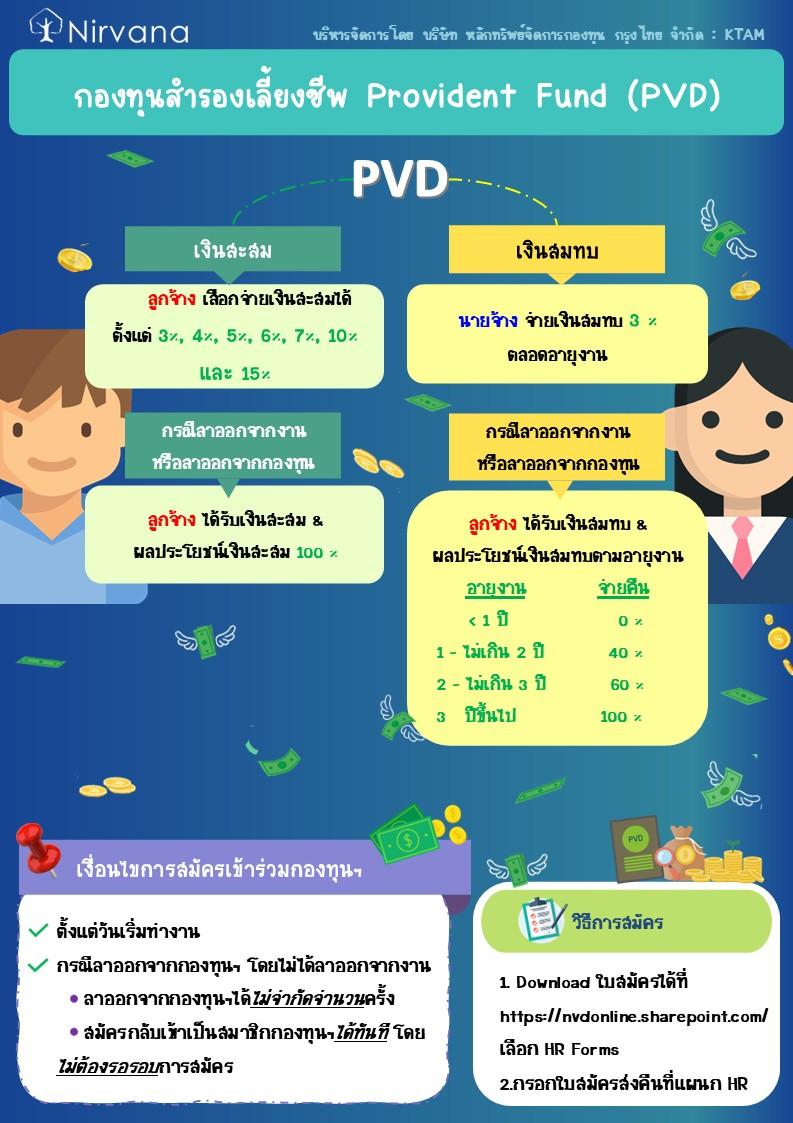
Workforce Data
| Metric | Current Year | Previous Year | Two Years Ago |
|---|---|---|---|
| Total number of employees (Persons) | 113 | 165 | 175 |
| Number of male employees (Persons) | 58 | 79 | 84 |
| Number of female employees (Persons) | 55 | 86 | 91 |
| Total employment of disabled persons (people) | |||
| Total disabled employees (people) | |||
| Total male disabled employees (people) | |||
| Total female disabled employees (people) | |||
| Total disabled workers who are non-employee (people) | |||
| Contributions to the fund for promoting and improving the quality of life for disabled persons | 1 | 1 | 1 |
| Total number of male employees in operational level (Persons) | 42 | 51 | 56 |
| Total number of male employees in management level (Persons) | 13 | 26 | 24 |
| Total number of male employees in executive level (Persons) | 3 | 2 | 4 |
| Total number of female employees in operational level (Persons) | 46 | 63 | 68 |
| Total number of female employees in management level (Persons) | 9 | 23 | 23 |
| Total number of female employees in executive level (Persons) | 0 | 0 | 0 |
Employees — Remuneration & Provident Fund
Remuneration & Provident Fund
| Metric | Current Year | Previous Year | Two Years Ago |
|---|---|---|---|
| Total disabled employees (people) | 104,990,000 | 137,030,000 | 151,100,000 |
| Total male employee remuneration (Baht) | 61,180,000 | ||
| Total female employee remuneration (Baht) | 43,810,000 | ||
| Number of employees eligible to participate in PVD (persons) | 113 | 165 | 175 |
| Total number of employees joining employee provident fund (Persons) | 80 | 102 | 114 |
| Percentage of total number of employees joining employee provident fund to total number of employees (%) | 70.8 | 61.82 | 65.14 |
| Number of PVD members / Total eligible employees (%) | 70.8 | 61.82 | 65.14 |
| Total amount of provident fund contributed by the Company (Baht) | 28,050,000 | 55,130,000 | 45,240,000 |
| Total amount of provident fund contributed by employee (baht) |
Employees — Training & Development
Training Data
| Metric | Current Year | Previous Year | Two Years Ago |
|---|---|---|---|
| Average employee training hours (Hours / Person / Year) | 13.39 | 12.87 | 8.97 |
| Employee development and training expenses (baht) | 24,840 | 261,380 | 465,585.37 |
Employees — Occupational Health & Safety
Occupational Health & Safety Data
| Metric | Current Year | Previous Year | Two Years Ago |
|---|---|---|---|
| Total number of lost time injury incidents by employees (Cases) | 0 | 0 | 0 |
Employees — Labour Relations
Labour Relations Data
| Metric | Current Year | Previous Year | Two Years Ago | Remark |
|---|---|---|---|---|
| Proportion of voluntary resignations (%) | ||||
| Total voluntary resignations (Persons) | 58 | 23 | 35 | |
| Male employees who voluntary resigned (Persons) | 27 | |||
| Female employees who voluntary resigned (Persons) | 31 | |||
| Percentage of employee turnover leaving the Company voluntarily (%) | ||||
| Evaluation result of employee engagement | 1 | 1 | 1 | The Company conducted an employee engagement survey to gather employees’ opinions on various aspects, including the working environment, compensation, and benefits. The information obtained from the survey has been used as part of the Company’s efforts to develop and improve its policies to ensure they are appropriate for the current situation and provide greater flexibility for employees. In 2025, the Company set a target to achieve an employee satisfaction score of no less than 70%. The result of the 2025 employee satisfaction survey indicated that the employee satisfaction level toward the Company was 71.23%. |
Employees — Employee Representation
Employees Are Represented Collectively
No
Employees — Targets
Has Set Employee Targets
Yes
Targets
| Indicator | Target Areas | Target Year | Target Year — Description |
|---|---|---|---|
| Employee Training Hours | 2984 · Description: Employee training and development | 2,025 | The employee training target is at least 6 hours per employee per year. |
| Employee Satisfaction Survey Results | 2985 · Description: Promoting employee relations and participation | 2,025 | Employee satisfaction survey results are not less than 70 percent. |
Employees — Performance & Outcomes
Has Performance Results
Yes
Performance Description
Employee Training and Development
In 2025, the Company organized internal training programs and also sent employees to participate in external training programs (Public Training). The training covered employees at all levels, including operational staff, junior management, middle management, and senior executives, across all career functions.
In 2025, the Company set a target for employee training of not less than 6 hours per person per year. The average training hours for the year amounted to 13.39 hours per person per year.
Employee Training Data Classified by Level | (Unit: hours/person/year) |
Average training hours for operational-level employees | 15.05 |
Average training hours for middle management | 8.59 |
Average training hours for senior management | 0 |
Employee Engagement with the Organization
The Company conducted an employee engagement survey to gather employees’ opinions on various aspects, such as the working environment, compensation, and benefits. The survey results were used as part of the input for formulating and improving relevant policies to ensure appropriateness in line with current circumstances and greater flexibility for employees.
In 2025, the Company set a target for employee satisfaction at not less than 70 percent. The employee satisfaction survey result for the year 2025 was 71.23 percent.
Customers — Plan & Guidelines
Has a Customer Management Plan
Yes
Plan Description
Customer Relationship Management and Responsibility
The Company places great importance on attention to detail in order to achieve the highest level of customer satisfaction, recognizing customers as one of its key stakeholders. Accordingly, Nirvana has established a Customer Center Department responsible for formulating strategies, planning, and systematically implementing customer relationship management. The Company focuses on enhancing customer experience, building long-term relationships, and promoting customer advocacy and word-of-mouth referrals on a sustainable basis.
In addition, the Company also places emphasis on community management, implementing appropriate customer relationship management processes and providing multiple communication channels to facilitate convenient access for customers and the general public. Customers may contact the Company through the following channels, based on their convenience:
Nirvana Call Center 1787
www.nirvanadevelopment.co.th
Facebook: Nirvana Home
Line @nirvanadevelopment
The Company remains committed to its mission of continuously creating and developing high-quality communities for residents. It places strong emphasis on project design and management that support quality of life, safety, and sustainable living. The Company prioritizes the development of common areas and infrastructure to meet established standards, while fostering an orderly, harmonious, and supportive living environment within the community.
In addition, the Company encourages resident participation in community care and development through relationship-building activities, feedback mechanisms, and transparent management practices. These efforts aim to enable communities to grow and develop together in a strong and sustainable manner, reflecting the Company’s intention to play an active role in building a livable and sustainable society over the long term.
During 15–16 November 2025, the Company organized its first Pre-Sales event for the HOME OFFICE project “Nirvana @WORK Krungthep Kreetha.” This project is located in closest proximity to the Company’s community mall and is situated in a high-potential luxury location, surrounded by residential developments from leading developers, including single-detached houses and townhomes. This reflects the continued growth of a strong and sustainable luxury community.
Plan Areas
| Plan Area |
|---|
| Responsible production and services for customers |
| Communication of product and service impacts to customers/consumers |
| Development of customer satisfaction and customer relationship |
| Protection of customer personal information |
Customers — Satisfaction Results
Introduction
Approaches for Improvement and Development to Enhance Customer Potential and Satisfaction
In 2026, the Company plans to conduct regular inspections of project readiness by the Customer Center Department. The inspections will cover security guard stations, security personnel, housekeeping services, the quality of show houses and ready-to-move-in houses, common areas, the overall project environment, and sales offices.
Following each inspection, the Customer Center Department will distribute a summary inspection report via email to all relevant departments within three business days. Progress and corrective actions arising from the inspections will also be monitored on a regular basis.
Regarding staff service quality, provision of information, responses to customer inquiries, and staff appearance, the Head Sales of each project will be responsible for overseeing and ensuring proper dress code compliance among sales staff, as well as supervising the accuracy of information provided, responsiveness to inquiries, and coordination and follow-up activities. In addition, the Sales Development Department plans to organize Sales Training programs on a quarterly basis throughout 2026.
Legal Compliance
Nirvana exercises effective corporate control and governance to ensure that its business operations are conducted in full compliance with applicable laws and regulations. The Company emphasizes enhancing legal awareness among executives and employees regarding laws related to the real estate business, in order to prevent legal violations, lawsuits, and potential disputes.
Accordingly, the Company disseminates legal knowledge relevant to real estate development through internal communication channels, covering the following key laws:
Land Allocation Laws, including the Land Allocation Act B.E. 2543 (2000), the Condominium Act B.E. 2522 (1979), and the Enhancement and Conservation of National Environmental Quality Act B.E. 2535 (1992)
Consumer Protection Laws, including the Consumer Protection Act B.E. 2522 (1979)
Laws and regulations related to advertising and marketing communications
Customer Satisfaction Results
| Metric | Current Year | Previous Year | Two Years Ago |
|---|---|---|---|
| Evaluation results of customer satisfaction | 1 | 1 | 1 |
Customers — Targets
Has Set Customer Targets
Yes
Targets
| Indicator | Target Areas | Target Year | Target Year — Description |
|---|---|---|---|
| Customer satisfaction scores of project visitors and purchasing customers. | 3009 · Description: Development of customer satisfaction and customer relationship | 2,025 | The satisfaction score shall not be less than 80% |
Customers — Performance & Outcomes
Has Performance Results
Yes
Performance Description
The Company places high priority on customer satisfaction. In 2025, the Company conducted customer satisfaction surveys divided into two groups: (1) customers who visited the projects, and (2) customers who made reservations and entered into sale and purchase agreements during the year 2025. The survey results can be analyzed into two parts as follows:
Customer Satisfaction Survey of Project Visitors
In 2025, the survey was conducted across a total of 9 projects, with 150 respondents
Nirvana DEFINE Krungthep Kreetha
Nirvana DEFINE Srinakarin-Rama9
Nirvana DEFINE Ekkamai-Ramintra
Nirvana ABSOLUTE Krungthep Kreetha
Nirvana ABSOLUTE Ekkamai-Ramintra
Nirvana ABSOLUTE Bangna
Nirvana ELEMENT Bangna
Nirvana @WORK Krungthep Kreetha
Nirvana Collection
The survey covered the following aspects:
Quality of staff service
Project environment
Quality of houses and show units visited
The overall average satisfaction level among project visitors was 78%. The highest satisfaction score was for staff service at 78%, followed by the quality of houses and show units at 79.1%, and the project environment at 77%, respectively.
Customer Satisfaction Survey of Customers Who Made Reservations and Entered into Sale and Purchase Agreements
The survey was conducted across 7 projects, with a total of 40 respondents.
Banyantree Residences Riverside Bangkok
Nirvana ABSOLUTE Krugnthep-Kreetha
Nirvana ELEMENT Bangna,
Nirvana DEFINE Ekkamai-Ramintra
Nirvana ABSOLUTE Ekkamai-Ramintra
Nirvana @WORK Krugnthep-Kreetha
Nirvana BEYOND Rama2
The survey covered the following aspects:
Reception and service
Provision of information and response to inquiries
Work follow-up and coordination
Customers who made reservations and entered into sale and purchase agreements in 2025 reported an overall average satisfaction level of 81.3%. The highest satisfaction score was for reception and service at 81.8%, followed by the provision of information and response to inquiries at 81.9%, and work follow-up and coordination at 80.4%, respectively.
Community & Social — Plan & Guidelines
Has a Community & Social Plan
Yes
Plan Description
Community and Social Development Engagement
Policy on Community and Social Engagement and Development
The Company operates in the real estate development and construction businesses and is committed to conducting its business in a manner that ensures sustainable growth while actively engaging in and contributing to the development of communities in areas where it operates. This commitment is demonstrated throughout the entire project lifecycle, beginning with area feasibility studies, environmental and social impact assessments, transparent disclosure of relevant information, and the promotion of appropriate community participation.
The Company has established policies on community engagement and development, as well as social and environmental practices, to serve as guidelines for its business operations alongside community involvement and social activities. A Sustainability Working Committee has been appointed to oversee and ensure the effective implementation of these policies and guidelines in a tangible manner. The Committee is also responsible for continuously monitoring performance, tracking progress in social management, and ensuring accuracy, transparency, and effectiveness. Performance results are reported on a quarterly basis to support continuous improvement and foster sustainable coexistence with local communities.
Implementation Guidelines
Comply with applicable laws, regulations, and requirements related to community engagement and development.
Promote stakeholder participation to foster mutual understanding and build positive relationships with local communities.
Encourage operations based on transparency, prevention of negative impacts, and support for the creation of positive impacts in accordance with sustainable development principles.
Instill and promote a sense of responsibility toward communities among employees, business partners, and relevant stakeholders.
Strategies and Action Plans
Utilize the Company’s internal construction expertise to strengthen community capacity and self-reliance, and to contribute to social well-being by addressing key national issues with tangible outcomes. The Company engages in community initiatives throughout all stages, including problem analysis, planning, and implementation, until the defined objectives are successfully achieved, and such initiatives can be expanded as best practices for other organizations.
Promote participation among employees and relevant stakeholders to jointly create sustainable value for society by addressing social issues or improving overall quality of life through specialized expertise and experience. In certain initiatives, the Company participates selectively while enabling scalability and further development.
Encourage the creation of innovations by employees to respond to community needs and address social challenges, with the objective of enhancing quality of life and strengthening social capacity in various dimensions.
Promote local employment to provide job opportunities for community members, reduce unemployment, and alleviate labor shortages within the community
Plan Areas
| Plan Area |
|---|
| Employment and professional skill development |
| Education |
| Forests and natural resources |
| Sports and recreation |
| Occupational health, safety, health, and quality of life |
| Disadvantaged and vulnerable groups |
| Reducing inequality and promoting social equality |
Community & Social — Targets
Has Set Community & Social Targets
Yes
Targets
| Indicator | Target Areas | Target Year | Target Year — Description |
|---|---|---|---|
| Results of the Satisfaction Assessment of Surrounding Communities | 3045 · Other name: Satisfaction of Surrounding Communities · Description: Others | 2,025 | Not less than 80 percent |
Community & Social — Performance & Outcomes
Has Performance Results
Yes
Performance Description
Results of the Satisfaction Assessment of Surrounding Communities
In 2025, the Company conducted a satisfaction assessment of surrounding communities in a total of six projects, as follows:
Nirvana Define Krungthep Kreetha
Nirvana At Work Krungthep Kreetha
Nirvana Absolute Krungthep Kreetha
Nirvana Collection Krungthep Kreetha
Nirvana Define Ekkamai–Ramintra
Nirvana Absolute Ekkamai–Ramintra
The satisfaction survey was conducted with seven households per project. The assessment covered five key topics, namely:
Issues and preventive measures related to air quality,
Issues and preventive measures related to noise quality,
Issues and preventive measures related to water quality,
Issues and preventive measures related to construction waste and debris, and
Issues and preventive measures related to impacts on surrounding communities and adjacent areas.
Based on the satisfaction assessment results, the surrounding communities placed importance on the issues in the following order:
air quality,
noise quality,
mitigation and problem-solving measures for surrounding areas,
water quality, and
waste management, respectively.
The results indicated that the surrounding communities were satisfied with the environmental impact prevention measures implemented by the Company. The average satisfaction level was 85 percent.
In this regard, the Company has established measures to prevent the occurrence of whistleblowing cases or complaints related to social and environmental impacts during the construction period, as follows:
Environmental Impacts | Environmental Impact Prevention and Mitigation Measures |
Air Quality | Install high perimeter fencing surrounding the construction site. In cases where soil surfaces are exposed, implement dust control measures such as periodic water spraying to reduce dust dispersion. Use dust-control canvas or protective sheets to fully cover the building structure throughout construction, modification, demolition, or renovation activities. Keep the entrance and exit areas fully enclosed at all times, except during vehicle entry and exit. Prohibit the burning of construction materials or solid waste within the construction site. Provide appropriate covering for stockpiled construction materials. Clean vehicles and vehicle wheels to ensure that no soil, mud, sand, or debris is carried outside the project area. Limit the speed of all vehicles entering and exiting the project site and construction area to no more than 20 kilometers per hour, in order to reduce dust generation and prevent accidents. |
Noise | Regularly inspect and maintain construction tools, machinery, and equipment to ensure they are in good working condition at all times, in order to reduce noise levels generated by such equipment. Provide appropriate personal protective equipment against noise, such as earplugs or earmuffs, to construction workers who are exposed to noise levels exceeding 85 decibels. Restrict the operating hours of noise-generating equipment to minimize impacts on surrounding communities. |
Water Quality | Provide toilets and sanitary facilities equipped with holding tanks for wastewater and sewage, and arrange for collection and proper disposal by the local municipality. |
Waste and Construction Debris | Provide an adequate number of covered waste containers distributed throughout the construction site to properly collect solid waste. Strictly prohibit the disposal of waste into drainage systems, wastewater pipelines, and any water bodies within the project area. Implement waste segregation practices to enable reuse, recycling, or proper disposal in accordance with the type of waste generated and relevant regulations. |
Surrounding Communities / Adjacent Areas | Contractors are required to strictly comply with the project’s environmental policies in order to safeguard the interests and well-being of surrounding communities. Monitor and ensure that workers do not engage in any illegal activities or actions that violate ethical or humanitarian principles, supported by clearly defined rules, regulations, and disciplinary measures. Give consideration to employing qualified local residents whose skills and competencies match project requirements, in order to promote income distribution within the community and contribute to economic and social development. |
In this regard, the construction contractor shall be responsible for implementing all prescribed mitigation measures, which are stipulated as an annex to the contract. The Company, as the project owner, shall supervise and ensure that the contractor strictly complies with all such measures.
Other Social Management
Plan & Outcomes — Description
Community Engagement Activities
Nirvana Development Public Company Limited actively engages with local communities and continuously conducts corporate social responsibility (CSR) activities. In 2025, the Company carried out the following initiatives:
The Company organized a book donation campaign at the community mall, Nirvana PORCH, to collect books for educational institutions located near the Don Tum Precast Factory in Nakhon Pathom Province. This initiative aimed to support and promote educational opportunities for children and youth in the surrounding communities.
The Company also participated in community engagement activities by supporting the organization of toy donation events for children in celebration of National Children’s Day. The activities were held at the Village Headman Office, Village No. 1, Racha Thewa Subdistrict, Bang Phli District, Samut Prakan Province, and at Wang Yai Pattana Community Office, Saphan Sung District, Bangkok, which are communities located near the Company’s development projects. The Company places great importance on contributing to community development and fostering strong relationships with nearby communities.
The Company organized a donation campaign for gently used items at the community mall, Nirvana PORCH. The donated items were converted into educational funds under the “Pun Khong Rak Song Nong Rian” project in collaboration with the Pankan Foundation. The initiative aimed to support educational opportunities for children and youth in society.
The Company also donated financial contributions and essential items to the Don Tum District Office in support of the Phra Pathom Chedi Worship Festival 2025. This activity was organized for charitable purposes, aiming to assist disaster victims, underprivileged individuals, and support various welfare activities within Nakhon Pathom Province.
The Company participated in promoting tree planting by organizing an activity to distribute jasmine plants to visitors at the community mall, Nirvana PORCH, during Mother’s Day in August. This initiative aimed to encourage tree planting, increase green spaces, and help reduce carbon dioxide emissions.
Additionally, the Company organized another tree distribution activity by giving canna lily plants to visitors at the community mall, Nirvana PORCH, during Father’s Day in December. The initiative aimed to support the expansion of green spaces and contribute to reducing carbon dioxide emissions, thereby promoting sustainable environmental stewardship.
The Company also extended assistance to flood victims in Southern Thailand (Hat Yai) following the flooding incident that occurred toward the end of the year. The Company donated essential items to the Mirror Foundation for further distribution to affected communities.
Expected Outcomes of the Activities
The Company gains both direct and indirect benefits from implementing CSR activities in several dimensions. These include enhancing the Company’s image and reputation, strengthening customer confidence, and contributing to the development of internal human resources. Employee engagement is considered an important factor that supports the Company’s business performance. Therefore, providing opportunities for employees to participate in CSR activities helps increase employee engagement, improve work efficiency, and may contribute to reducing employee turnover and absenteeism in the long term.
Law Violation Incidents
Law Violation Incidents
| Metric | Current Year | Previous Year | Two Years Ago |
|---|---|---|---|
| The total number of cases or incidents of significant violations of laws or regulations regarding social and human rights (Cases) | 0 | 0 | 0 |
| The total number of cases or incidents that cause significant labor disputes (Cases) | 0 | 0 | 0 |
| The total number of cases or complaints related to consumer rights violations (Cases) | 0 | 0 | 0 |
| The total number of cases or complaints related to partner rights violations (Cases) | 0 | 0 | 0 |
| The total number of cases or incidents that cause disputes with the community/society (Cases) | 0 | 0 | 0 |
| The total number of cases or incidents related to cyber security or customer data breaches (Cases) | 0 | 0 | 0 |
| The total number of cases or incidents related to safety and occupational health at work (Cases) | 0 | 0 | 0 |